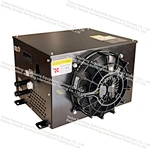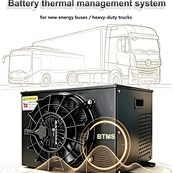
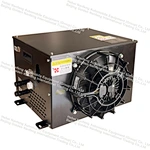
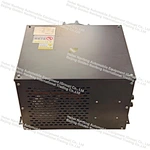



electric vehicle battery management
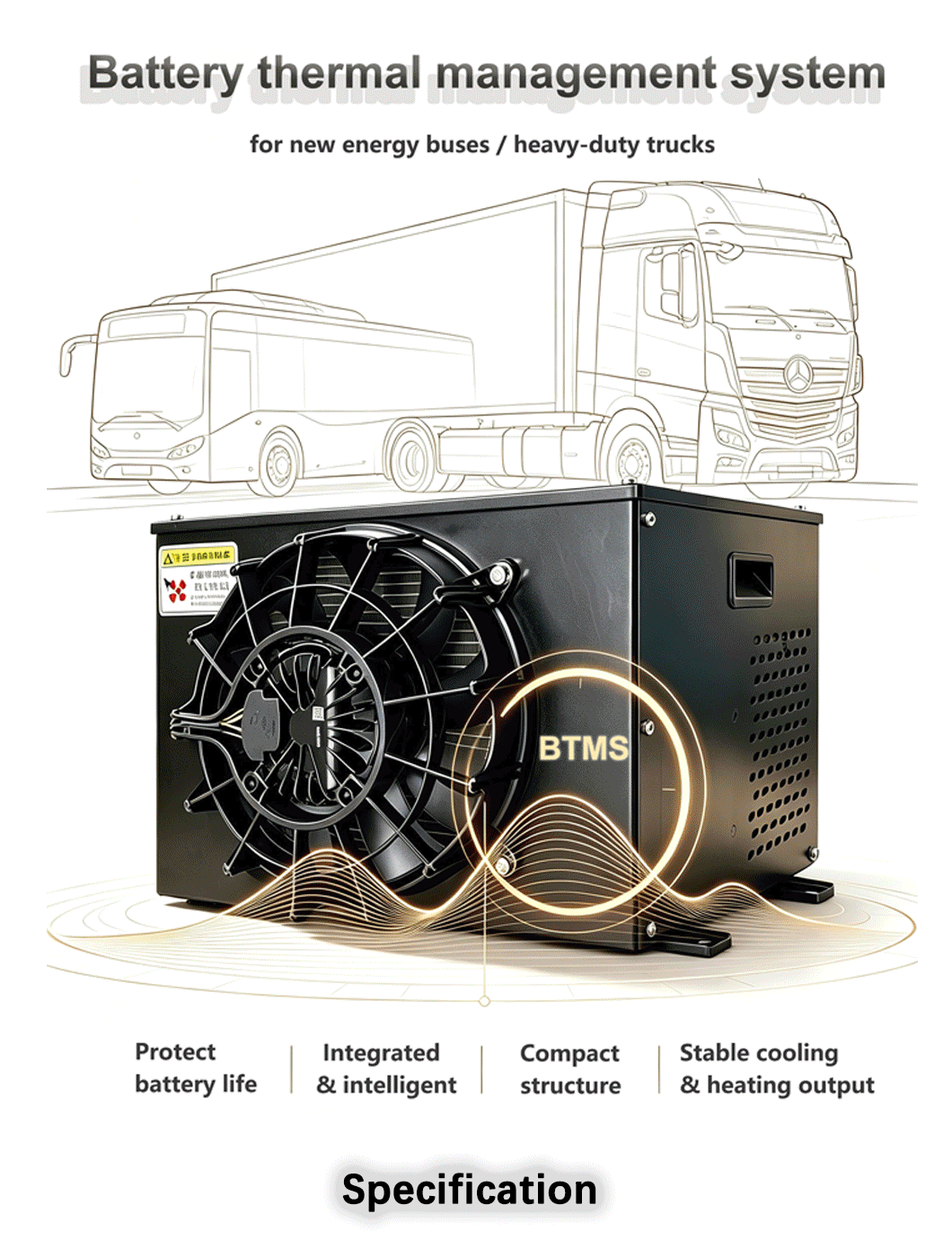
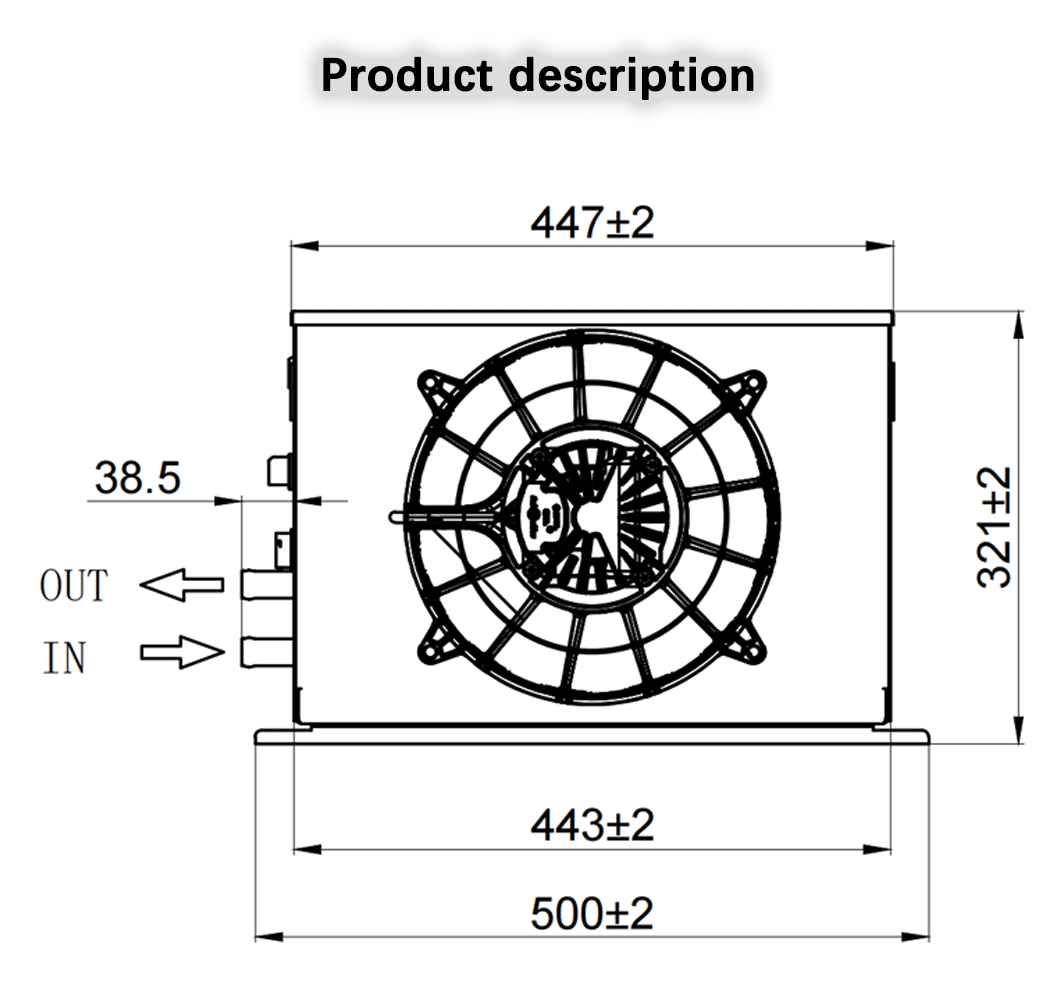
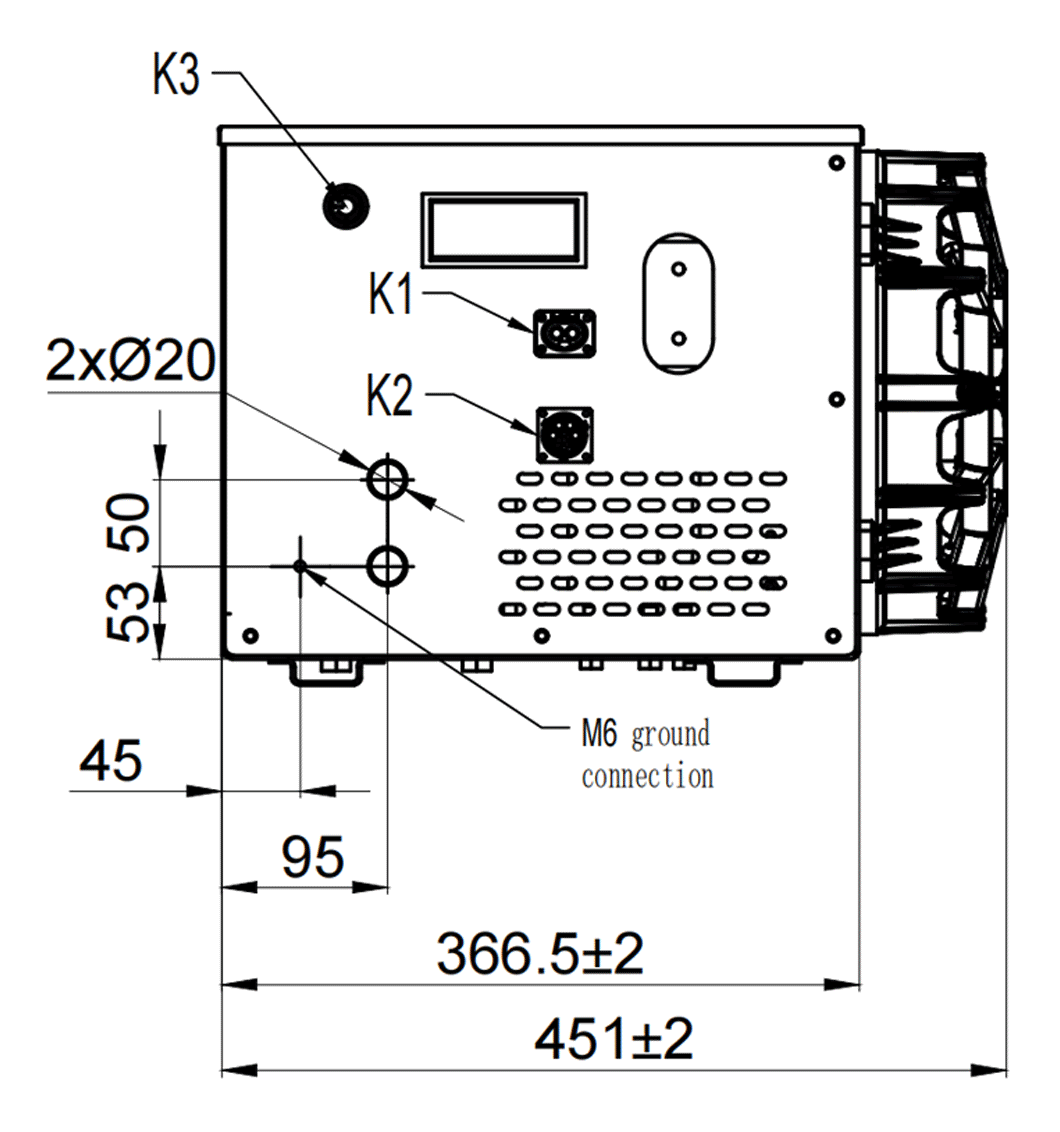
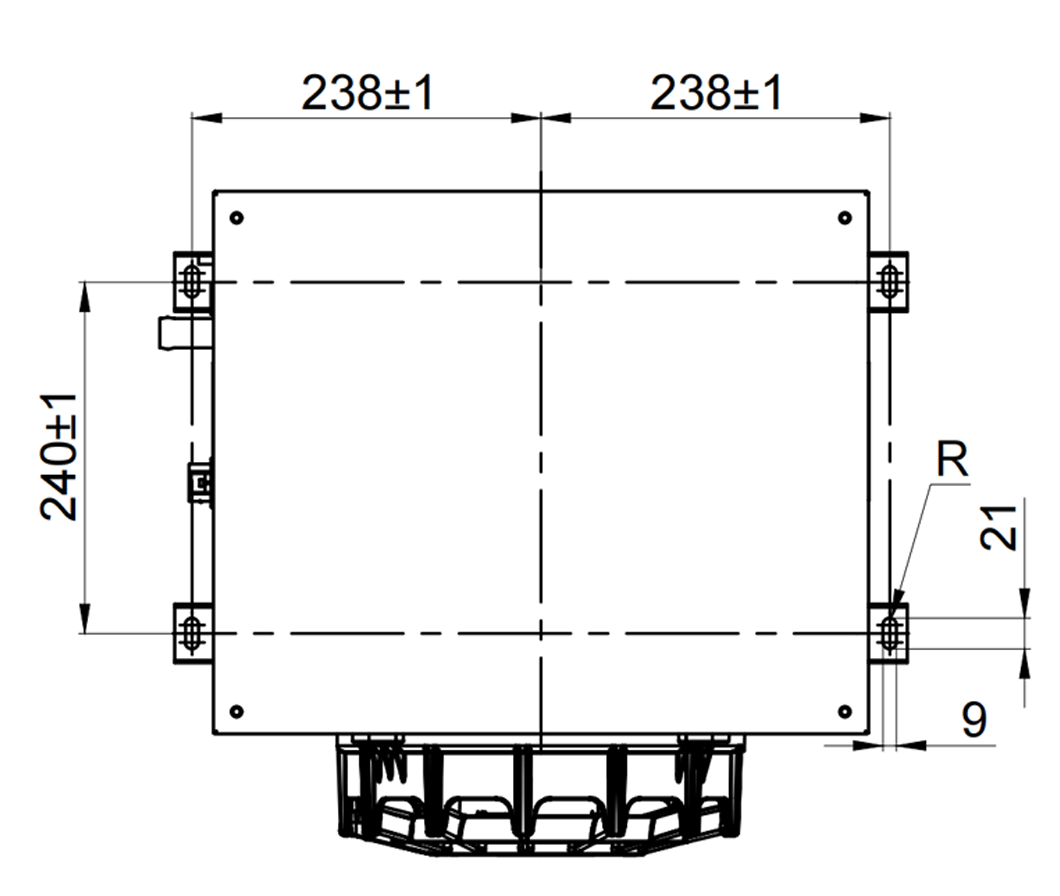
| Model | NFEHP3.0-3 |
Working environment | -20~55℃ |
Refrigerant | R1234yf/R134A |
Cooling liquid | 50% 50% ethylene glycol/water solution |
High voltage | 540VDC (450-720VDC) |
Low voltage | 24VDC (18-32VDC) |
Rated refrigeration capacity | 4.5KW |
Rated heating capacity | 5KW |
Overvoltage protection/overvoltage recovery | 750/720V DC |
Under-voltage protection/Under-voltage recovery | 400/430V DC |
Box color | Black |
Weigh | <35kg |
Waterproof protection level | IP67 |
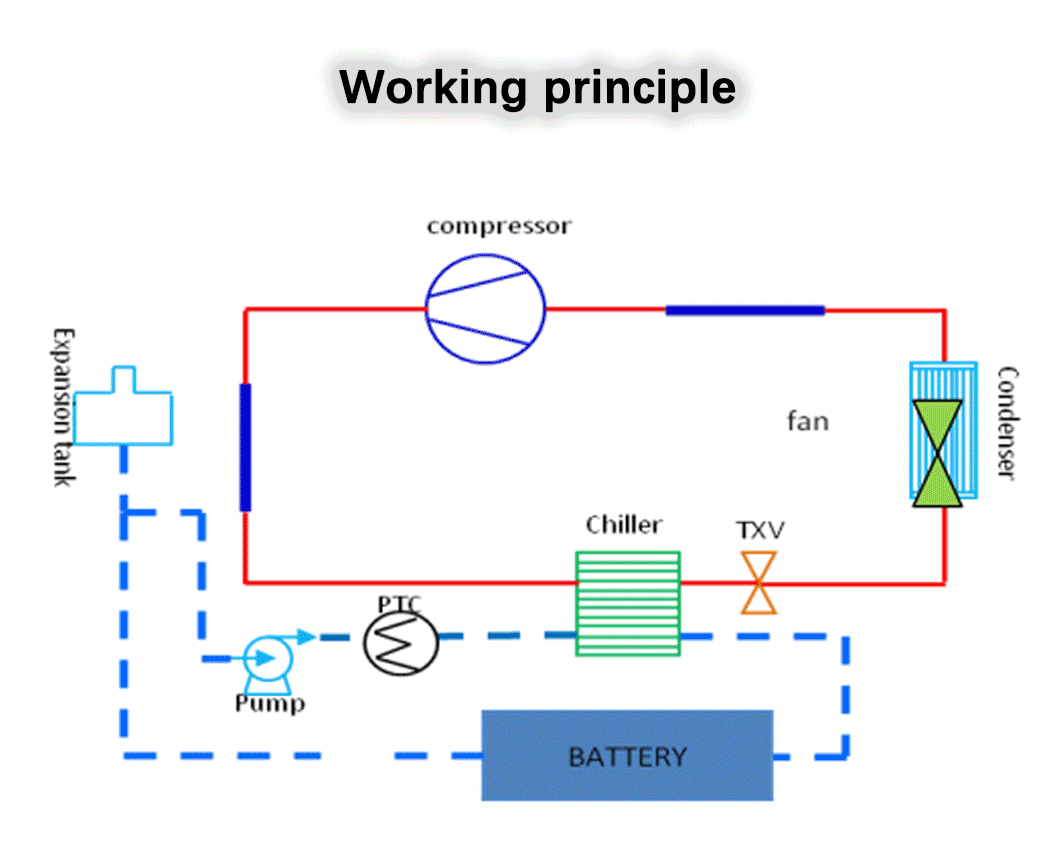
Refrigeration Mode
The fan and compressor are turned on. High-temperature, high-pressure refrigerant is discharged from the compressor, enters the condenser to release heat and cool down, then passes through the thermostatic expansion valve for throttling, pressure reduction, and cooling. The low-pressure, low-temperature refrigerant enters the battery cooler chiiller to exchange heat with the high-temperature coolant flowing from the battery pack. After absorbing heat, the refrigerant enters the compressor suction port, completing one refrigeration cycle. Simultaneously, the high-temperature coolant flowing from the battery pack outlet is pumped through the chiiller, cooled, and becomes low-temperature coolant that enters the battery pack inlet to cool the battery, completing one water circuit cycle.
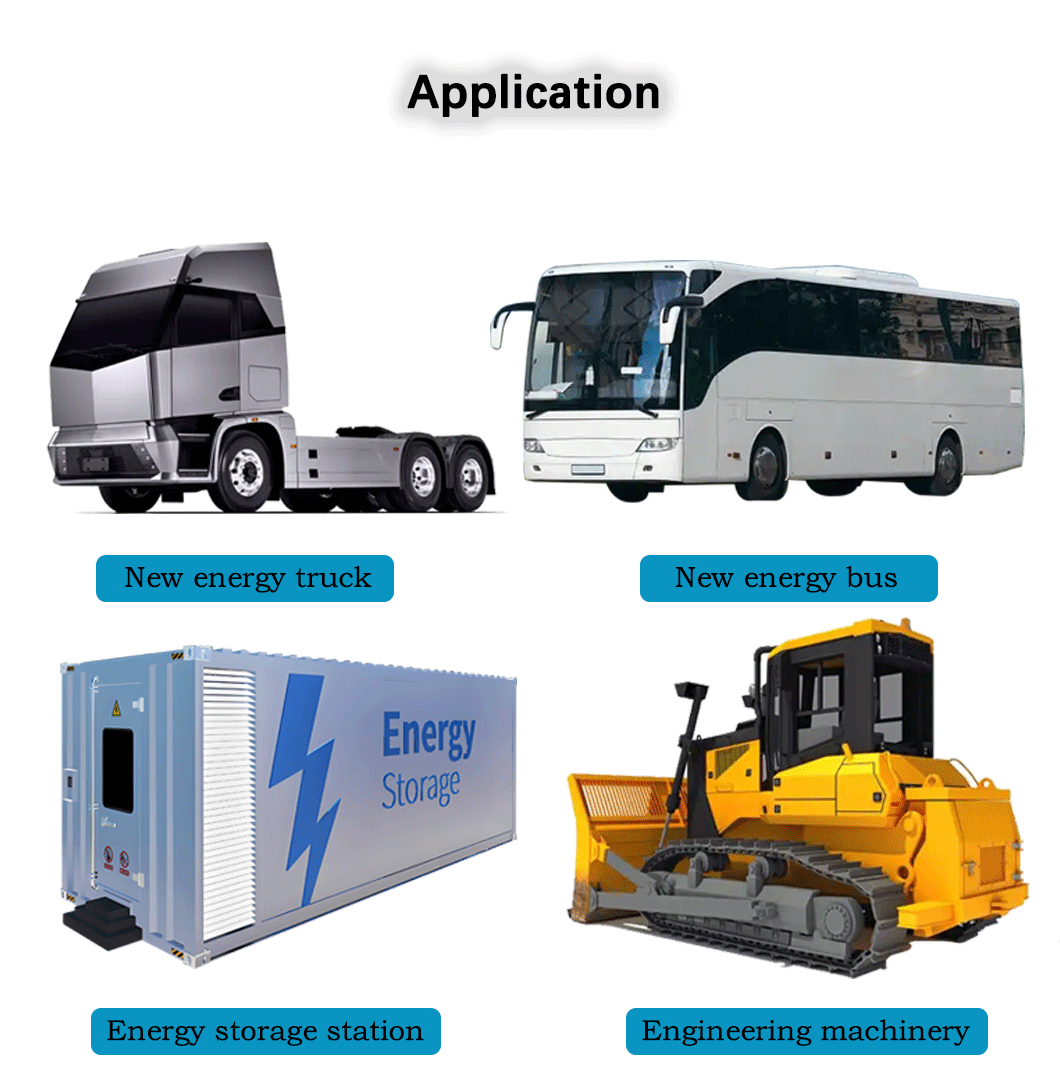
Cooling mode is suitable for applications with high battery pack heat load.
Heating mode (optional)
Fan and compressor are off, water pump and electric heater are on. Low-temperature coolant is heated by the electric heater and then flows through the chiller into the battery pack to heat the batteries.
The heating mode is suitable for applications where the battery temperature is too low.
Self-Circulation mode
Fan and compressor are off, only the water pump is on. Coolant circulates between the thermal management unit and the battery pack, carrying away heat from the battery pack.
Self-circulation mode is suitable for applications with low battery heat load.