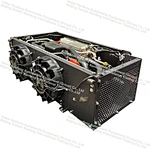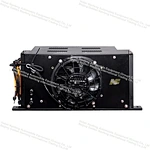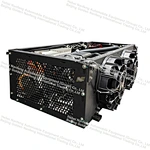
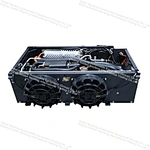
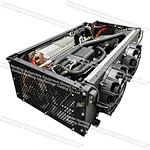
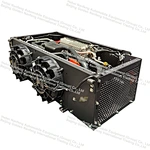
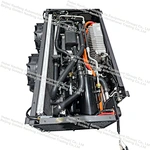
Electric Bus Thermal Management Battery
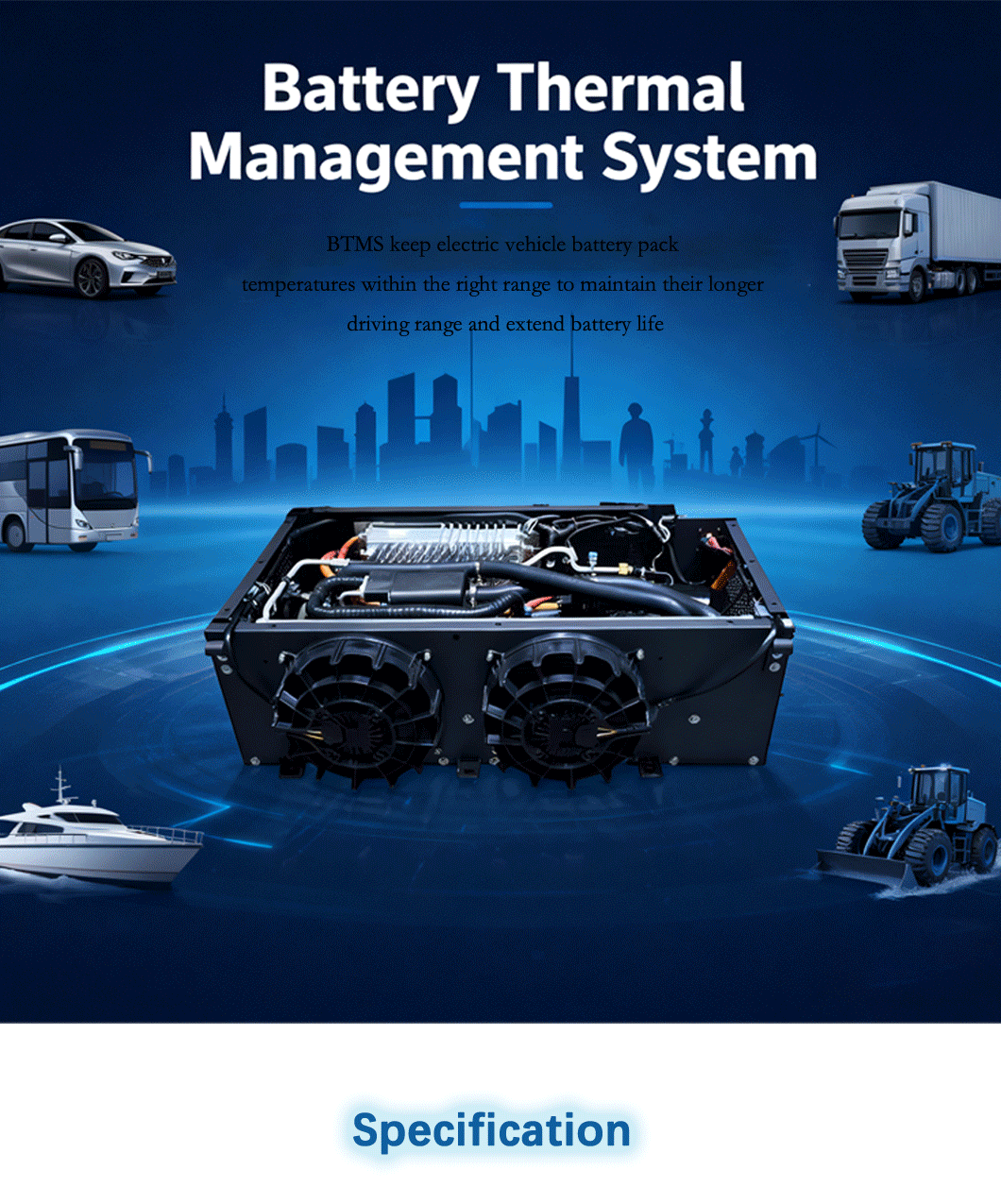
Its core objective is to ensure the battery operates within its optimal range of 20–35℃, while simultaneously reducing energy consumption and improving winter range and fast-charging performance.
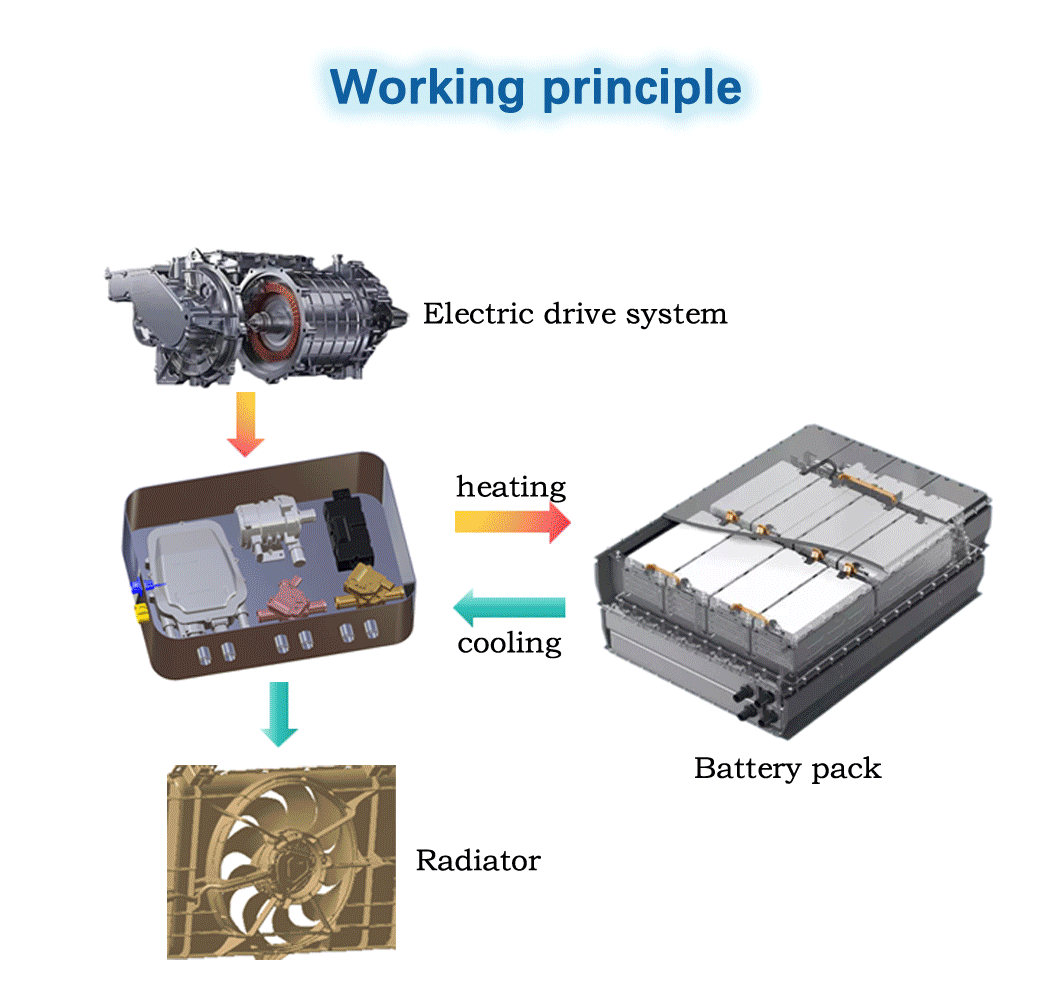
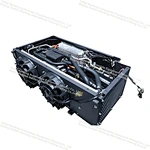
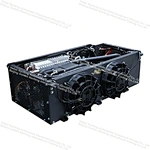
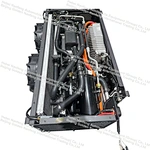
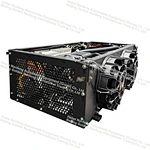
The system comprises a cooling circuit, heat pump, electronic water pump, electronic expansion valve, multi-way integrated valve, heat exchanger, and controller. It employs liquid cooling, heat pump, and waste heat recovery technologies to achieve cooling, heating, heat dissipation, and heat distribution. In summer, refrigerant and water-cooled plates rapidly remove heat from the battery and motor, preventing high-temperature performance degradation. In winter, a heat pump replaces traditional PTC heating, combined with waste heat recovery from the electric drive, significantly reducing heating power consumption and mitigating the reduction in range at low temperatures.
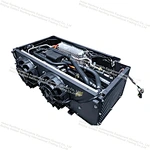
| Product | Battery thermal management unit | Power | 8-15kw |
| Rated Voltage | 350~600V | Maximum Airflow | 2200m³/h |
| Control Voltage | 12V/24V | Refrigerant | R134a |
| Rated Cooling Capacity | 3.5kW | Dimensions | 770*475*339 |
| Rated Heating Capacity | - | Weight | 28KG |
| Maximum Input Power | 2KW | Color | black |
Core Functions
High-Temperature Heat Dissipation: Quickly dissipates heat during fast charging and high-power discharging, preventing overheating, thermal runaway, and lifespan degradation.
Low-Temperature Preheating: Rapidly warms up during winter/cold starts, improving charging and discharging efficiency and avoiding the risks of lithium dendrite formation and internal short circuits.
Temperature Uniformity: Suppresses localized hot spots, reducing uneven cell aging.
Safety and Lifespan Assurance: Extends cycle life and reduces the probability of thermal runaway through temperature control.
Energy Optimization: Recovers waste heat from the motor/electronic control system, improving winter range.