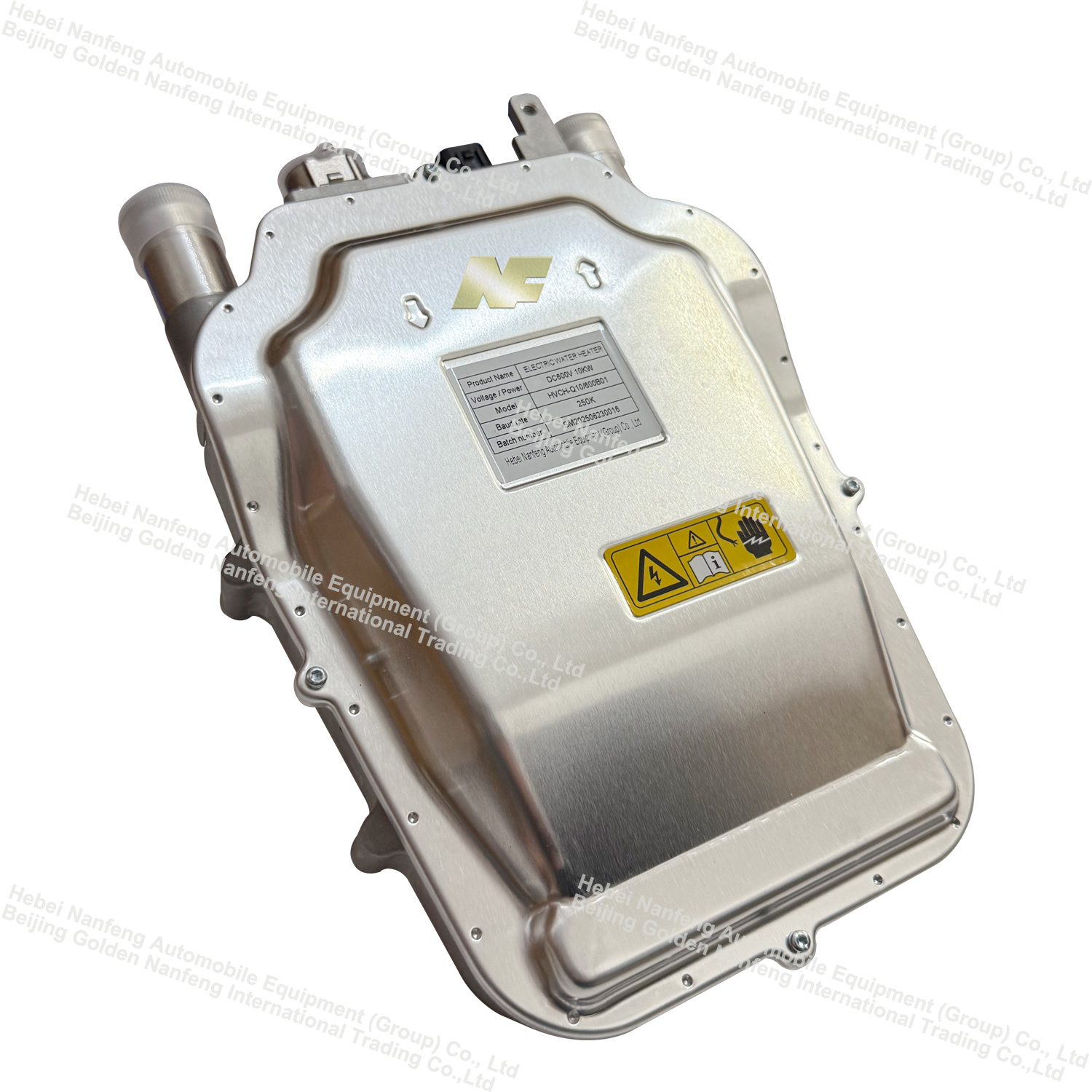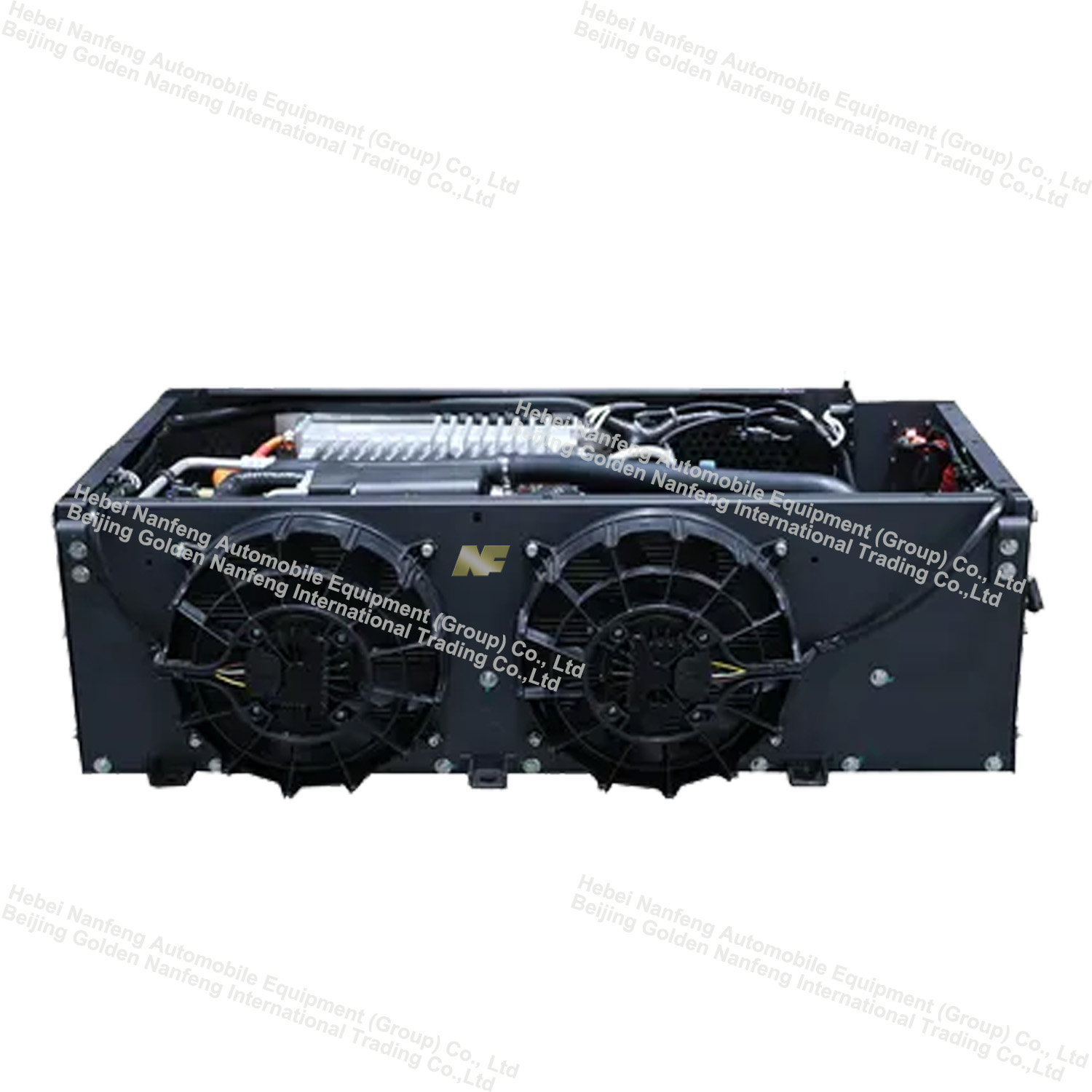
Working Principle Of Thermal Management System For New Energy Vehicles
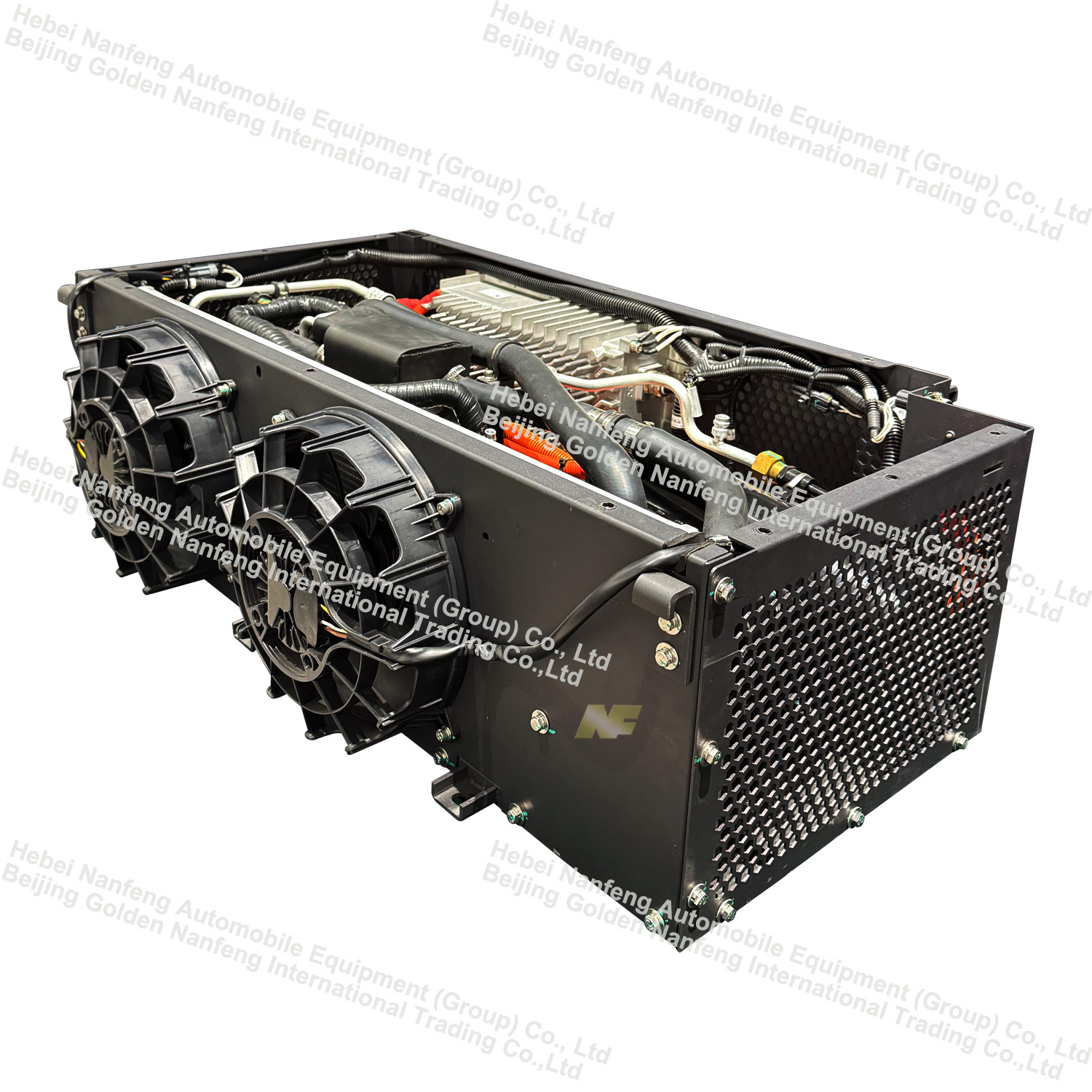


The motor and electronic control system generate a large amount of heat during operation. The system uses valve group switching circuits to direct coolant into the heat dissipation circuit, preventing component overheating and failure. The air-conditioned cabin utilizes a heat pump system to achieve cooling, heating, and waste heat recovery. In winter, it recovers waste heat emitted by the motor and battery to heat the cabin, reducing energy consumption.
Valve components such as three-way valves play a crucial role in the circuit, switching between cooling and heating circuits according to real-time needs, achieving coordinated heat management across multiple systems. The entire system, through closed-loop control, adjusts heat dissipation intensity, heating power, and medium flow rate in real time to balance the temperature requirements of various components, reduce overall vehicle energy consumption, and improve driving range and ride comfort. This is a vital foundation for ensuring the efficient, safe, and stable operation of new energy vehicles.
Detailed Introduction And Principle Of Electric Compressors
Anxious About The Range Of New Energy Vehicles?
Related Article