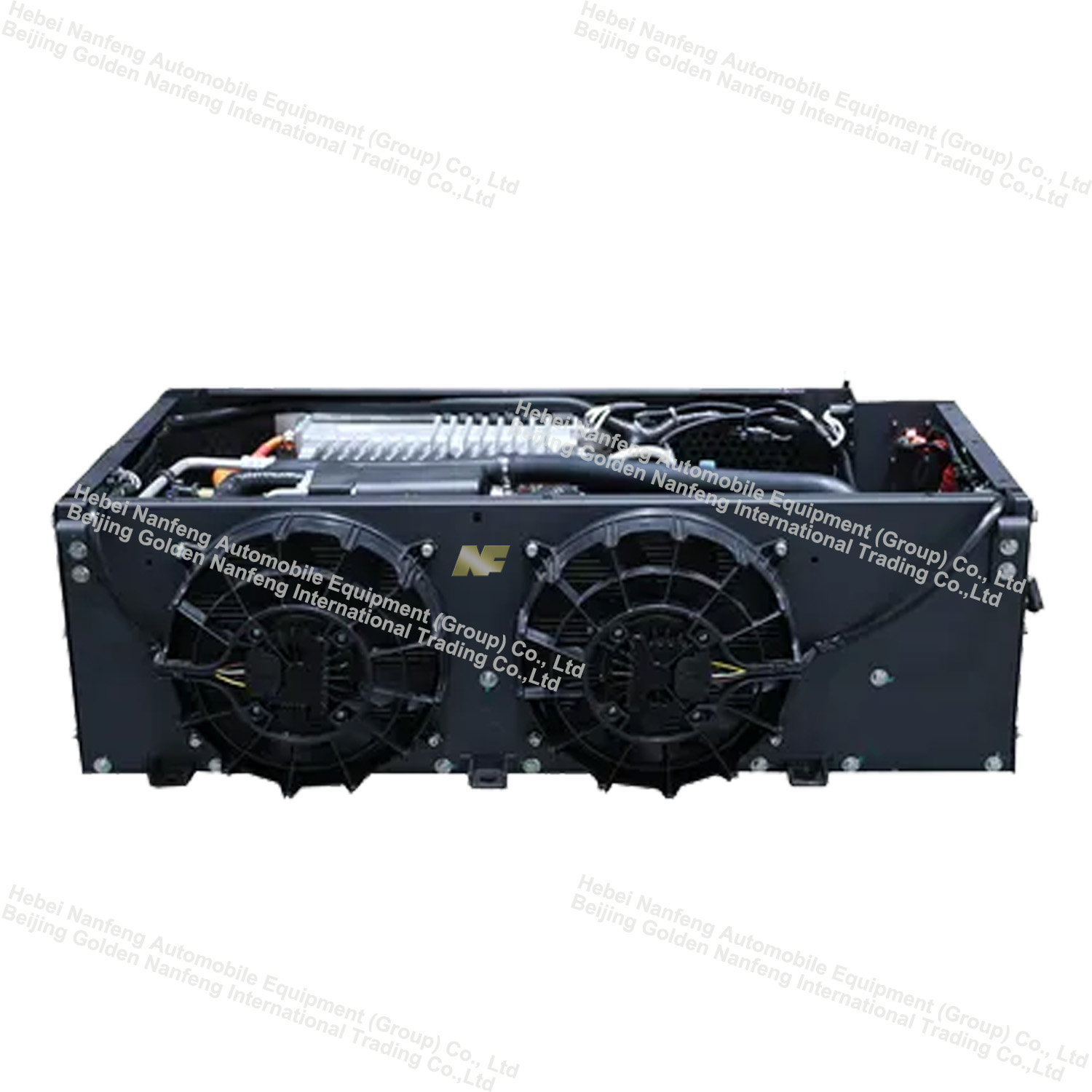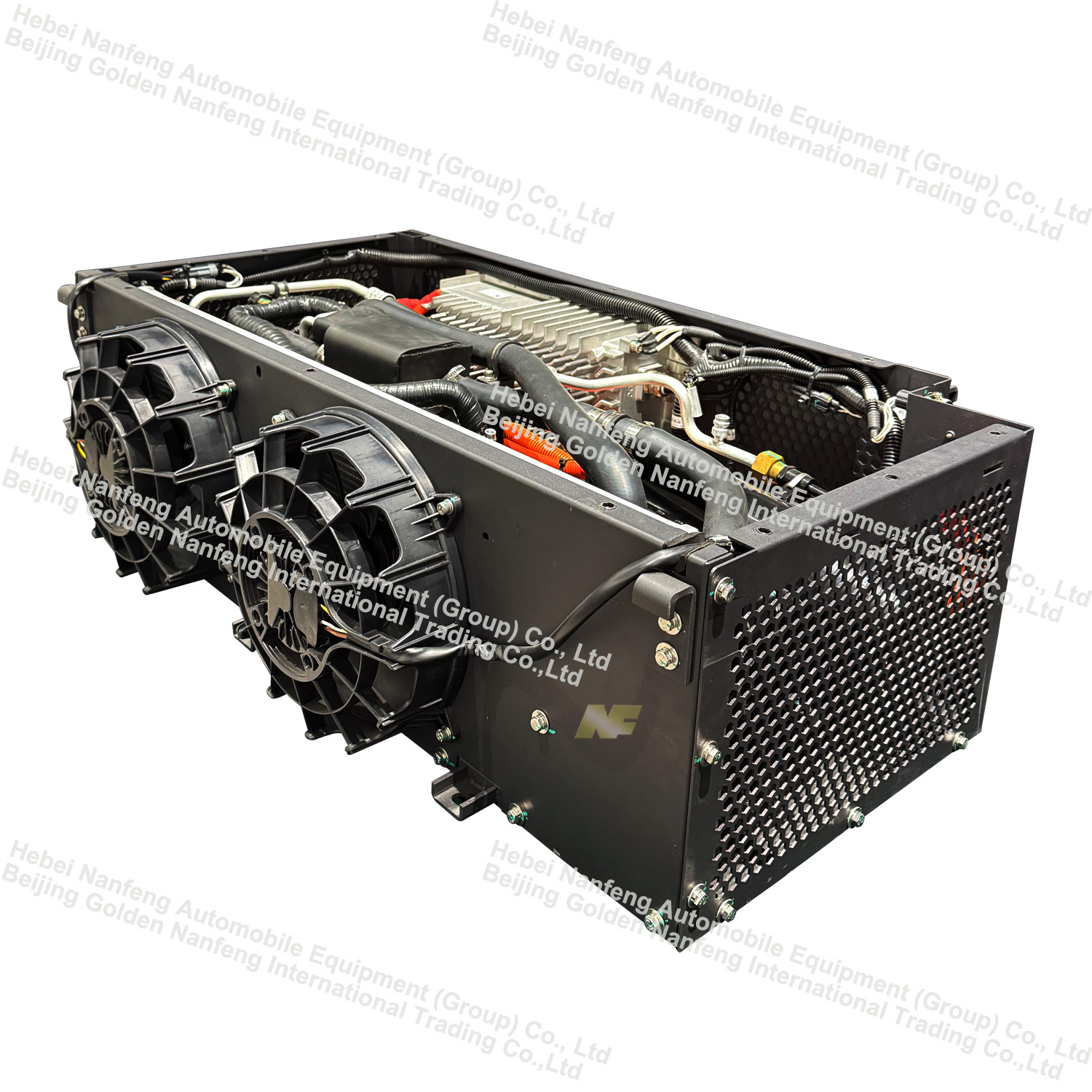
Why Is Thick-Film Heating Technology The Optimal Choice Currently?
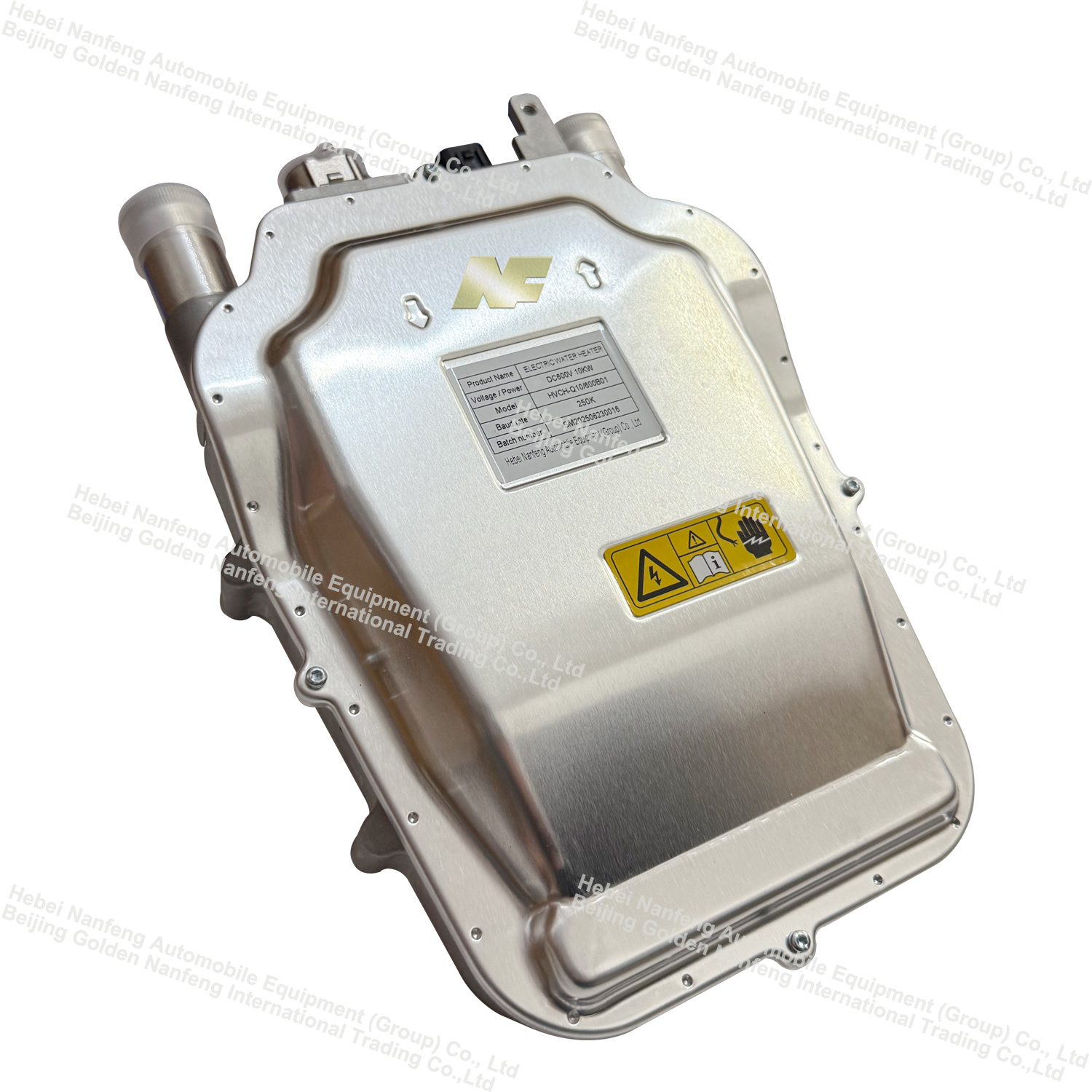

Let's look at PTC heaters first.
PTC stands for Positive Temperature Coefficient Thermistor. When the ambient temperature decreases, the resistance of a PTC also decreases. At this time, when current is applied under a constant voltage, the decreased resistance leads to an increased current, and the heat generated increases accordingly, thus achieving a heating effect.
There are two PTC heating methods: water-based heating and air-based heating. The former heats the coolant through the PTC, which then exchanges heat with the radiator; the latter directly exchanges heat with the PTC, ultimately blowing out warm air.

The technology is mature, but the problem lies in the high energy consumption of PTC heating, which severely reduces the driving range of electric vehicles. For example, a 2kW PTC heater consumes 2 kWh of electricity to operate at full power for one hour. If we calculate based on a power consumption of 15 kWh per 100 kilometers, 2 kWh would roughly equate to a driving range of 13 kilometers. In reality, the system also controls the power of the PTC (Power Transmission Control) unit: windshield defrosting requires approximately 2-3 kW of PTC power; heating the coolant may require around 6 kW.
Therefore, the PTC's "plastic counterpart," the heat pump, comes into play.
A heat pump acts as a heat "transporter"-it absorbs heat from a low-temperature "object," such as cold air outside the car, transfers it to the working fluid, and then compresses the working fluid to raise its temperature. Finally, the high-temperature working fluid exchanges heat with the air inside the car through the condenser, achieving the function of warm air.
We usually use COP (Coefficient of Performance) to measure the performance of an air conditioner. A higher COP value indicates higher conversion efficiency and greater energy savings. Theoretically, a heat pump's heating COP value reaches between 2 and 4. That is, with the same energy consumption, a heat pump produces 2-4 times more heat than a PTC.
If heat pumps are so excellent, why is a PTC still needed? The problem lies in the "theoretical" aspects.
In low-temperature environments, heat pumps are prone to failure-at -20°C, the COP (Coefficient of Performance) of a heat pump drops to 1, almost rendering it inactive; at -10°C to 0°C, the COP is 1-2, slightly better than PTC (Potentially Transmitted Chromium) heat pumps. Therefore, Tesla activates an auxiliary PTC at -10°C to 0°C to assist with heating; once the temperature rises above 0°C, it switches back to the heat pump. The HiPhi X uses an indirect heat pump, also requiring a PTC as an auxiliary heat source for rapid heating in low temperatures.
PTC technology is simple, but its inherent limitations include limited capacity, instability, and high power consumption; heat pumps have a high ceiling, but their high cost and immature technology mean that future technologies like CO₂ heat pumps are still developing, requiring other complementary solutions.

This is a solution that can quickly replace PTC and work well with heat pumps-thick-film heating technology.
Thick-film heating technology utilizes rare-earth thick-film electrothermal materials, printed on various substrates (stainless steel, alumina, aluminum nitride, glass, ceramics, etc.) using a screen printing process, to convert electrical energy into heat energy.
The difference in conductive materials and technical principles directly determines the inherent performance advantages and disadvantages of the two technologies.
More synergistic: Thick-film heaters outperform PTC technology in terms of starting current, ripple voltage, and ripple current, having less impact on the vehicle's electrical system, ensuring the stability and reliability of the vehicle's performance, and maintaining excellent heating effects under various temperature conditions.
More efficient: The thermal efficiency of thick-film heaters is a full 7% higher than that of PTC technology, saving energy and significantly improving the driving range of electric vehicles.
Faster: The full start-up time of a thick-film heater is only 30 milliseconds, while the "fast-paced" PTC heater requires approximately 28 seconds to reach full power output.
With the increasing penetration of 800V high-voltage platforms, thick-film heating technology, capable of withstanding 1500V high voltage, is expected to replace the "650V-limited" PTC technology and become the mainstream choice in the future industry. Furthermore, thick-film heaters can perfectly adapt to different power supply voltage specifications, providing options for various vehicle models.
What is Thermal Management System?
Related Article