What is Thermal Management System?
By Working Method
-
Passive Cooling
This approach uses no external energy. Instead, it relies on the material's own high thermal conductivity, radiative properties, or natural convection to dissipate heat. With a simple structure, it is widely used in low-power devices or space-limited applications, such as thermal pads and graphite heat spreaders in consumer electronics. -
Active Cooling
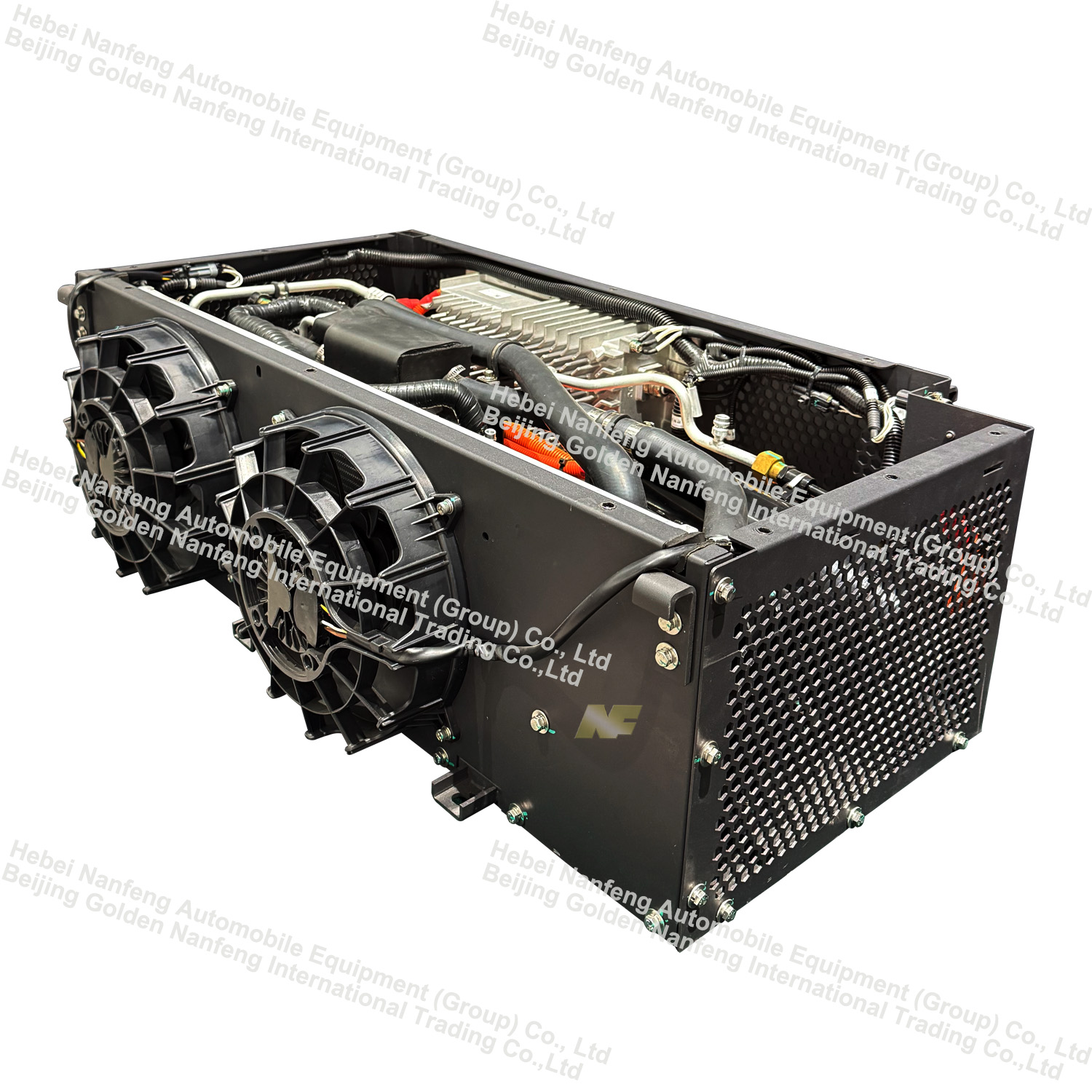
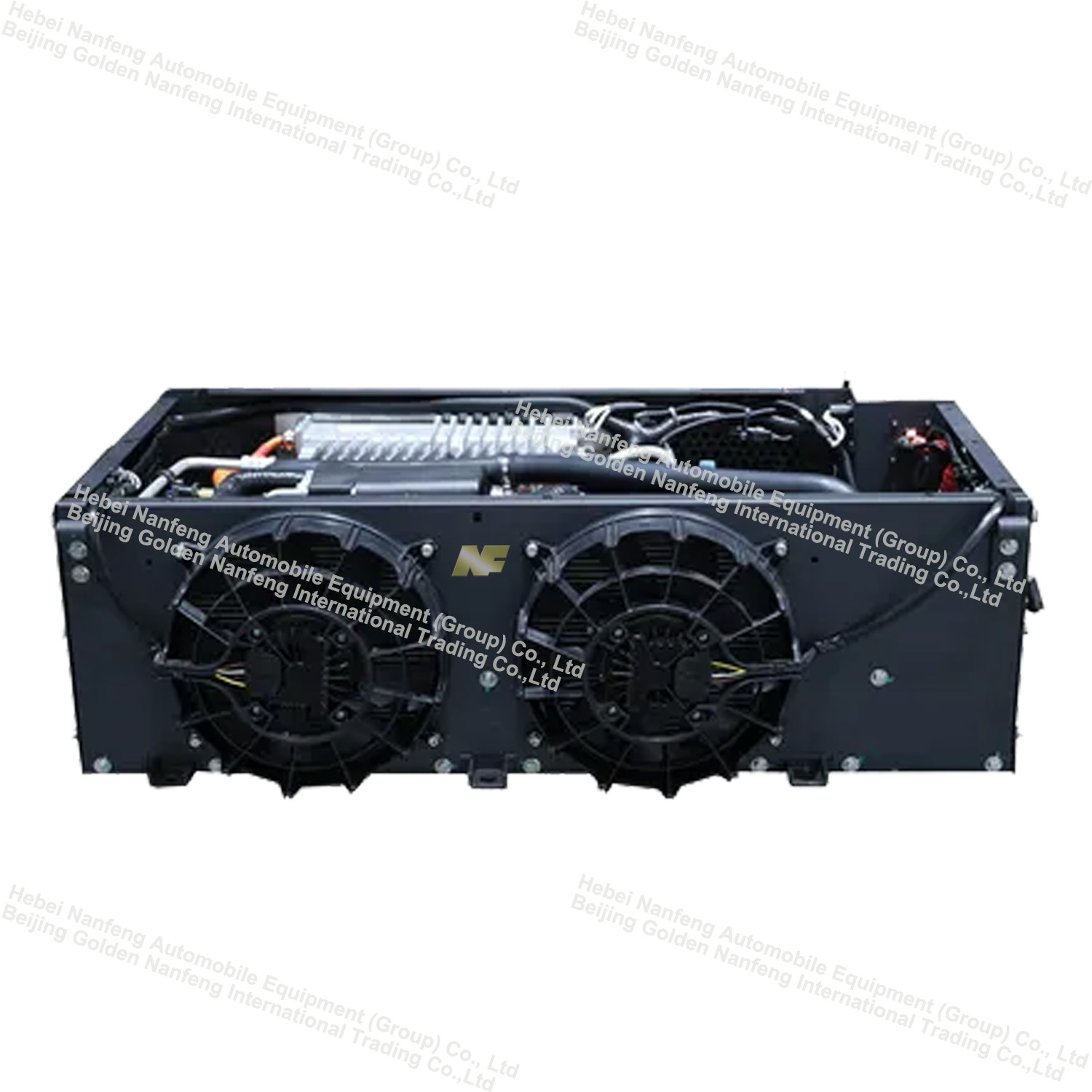
Active cooling introduces external power sources to control heat transfer. Common forms include forced air cooling, liquid cooling loops, heat pipes/vapor chambers, and phase-change cooling. These methods offer strong heat dissipation and are suitable for high-heat-flux scenarios, such as high-performance computing servers and EV battery thermal management systems.
NF specializes in the design, manufacturing, and sales of thermal management systems for electric vehicle batteries. Please feel free to contact us if you have any needs. -
Material-Based Cooling
This method focuses on developing and applying new materials with ultra-high thermal conductivity, such as graphene, hexagonal boron nitride (h-BN), diamond composites, and metal matrix composites. By improving the material's thermal conductivity and reducing interfacial thermal resistance, heat can be efficiently transferred from the chip to the casing. -
Hybrid Thermal Management
As systems become more complex, hybrid thermal management solutions are gradually becoming the mainstream. These combine passive and active technologies to build a multi-layered heat dissipation system suitable for complex operating conditions.
By Application Scenario
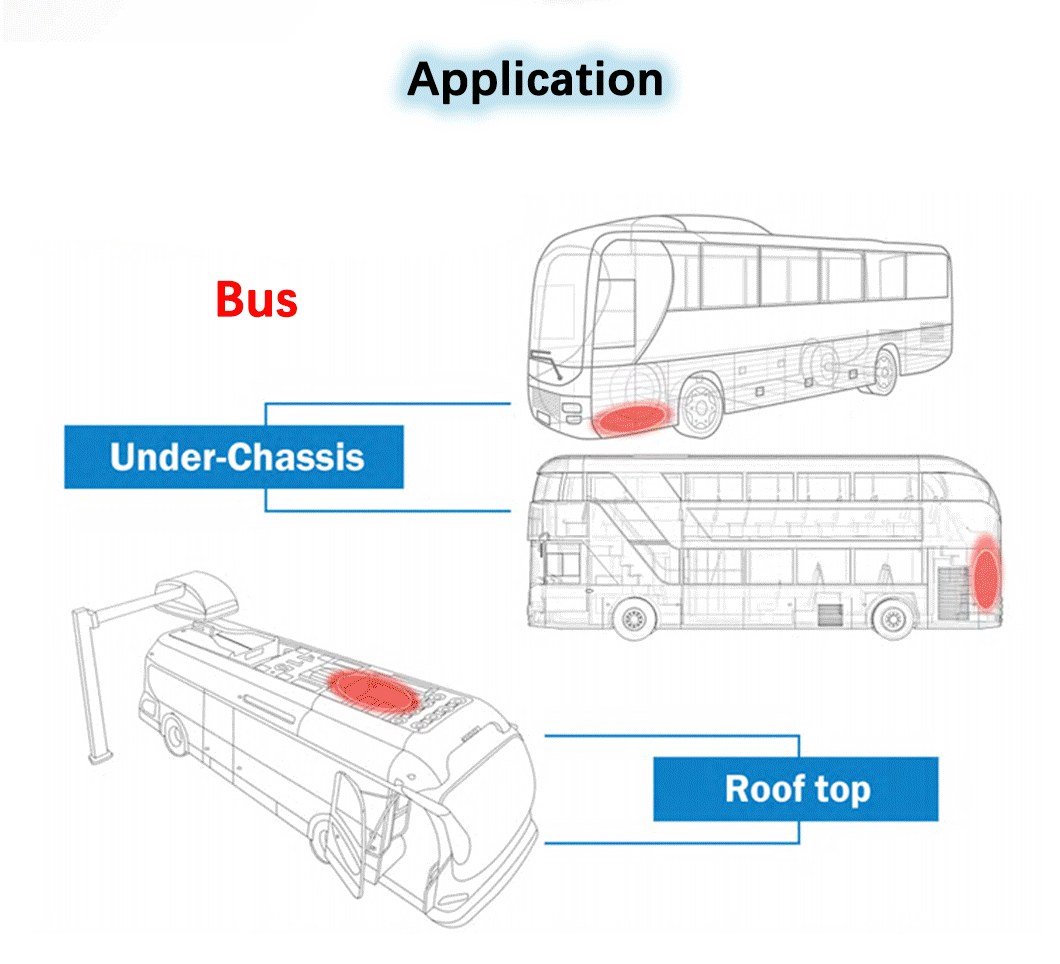
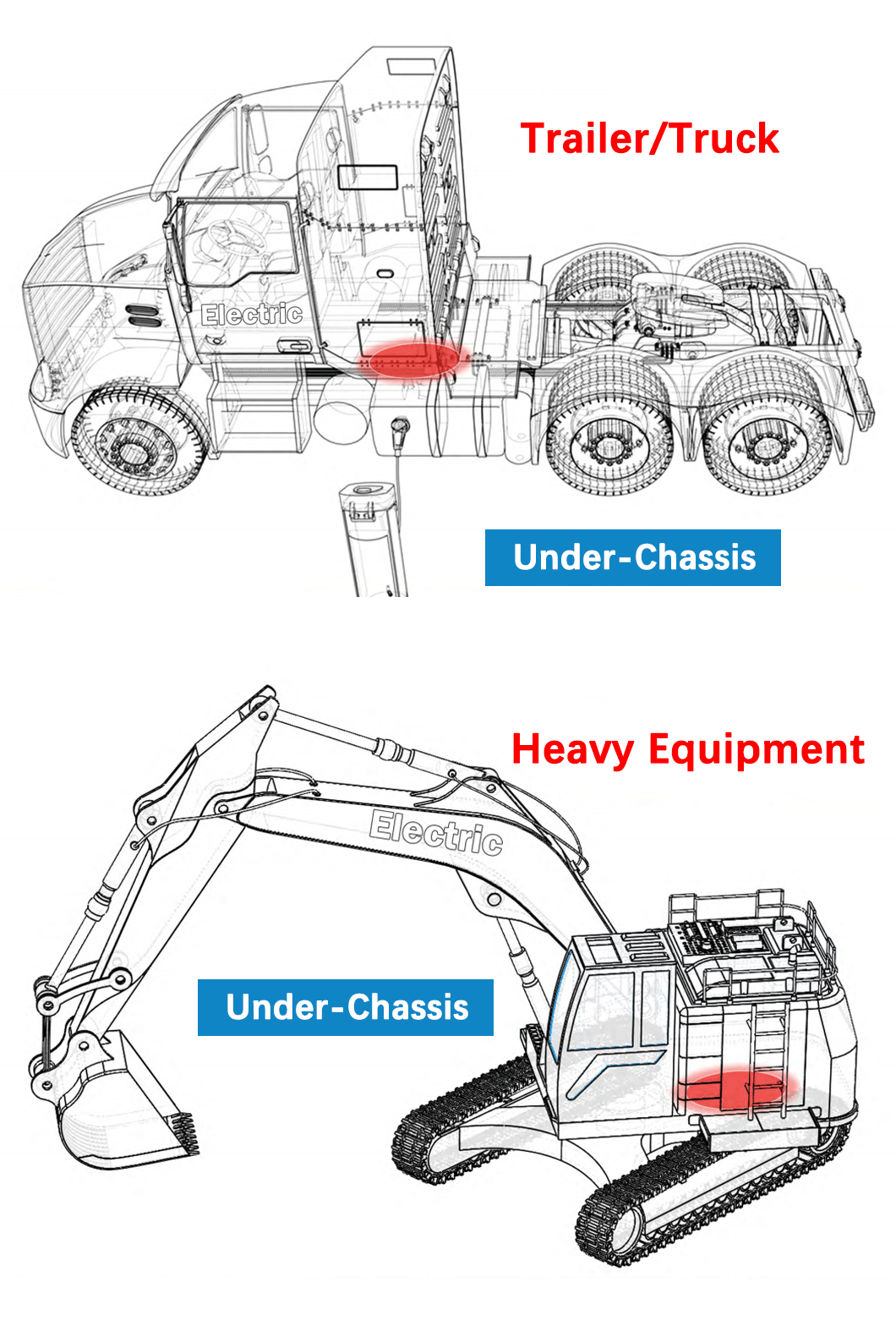
Thermal management can also be categorized by application, including thermal management for electronic products, electric vehicles, data centers, aerospace, and industrial uses. Each type has its own specific technical requirements tailored to the characteristics of its field. The continuous expansion of application scenarios is one of the most significant changes in the thermal management field in recent years.
Why Is Thick-Film Heating Technology The Optimal Choice Currently?
How to enhance the range, safety and lifespan of electric vehicles
Related Article