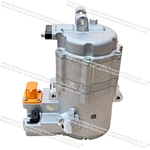


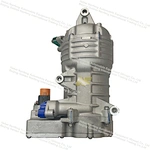


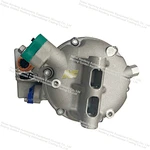


EV Three-in-one Compressor
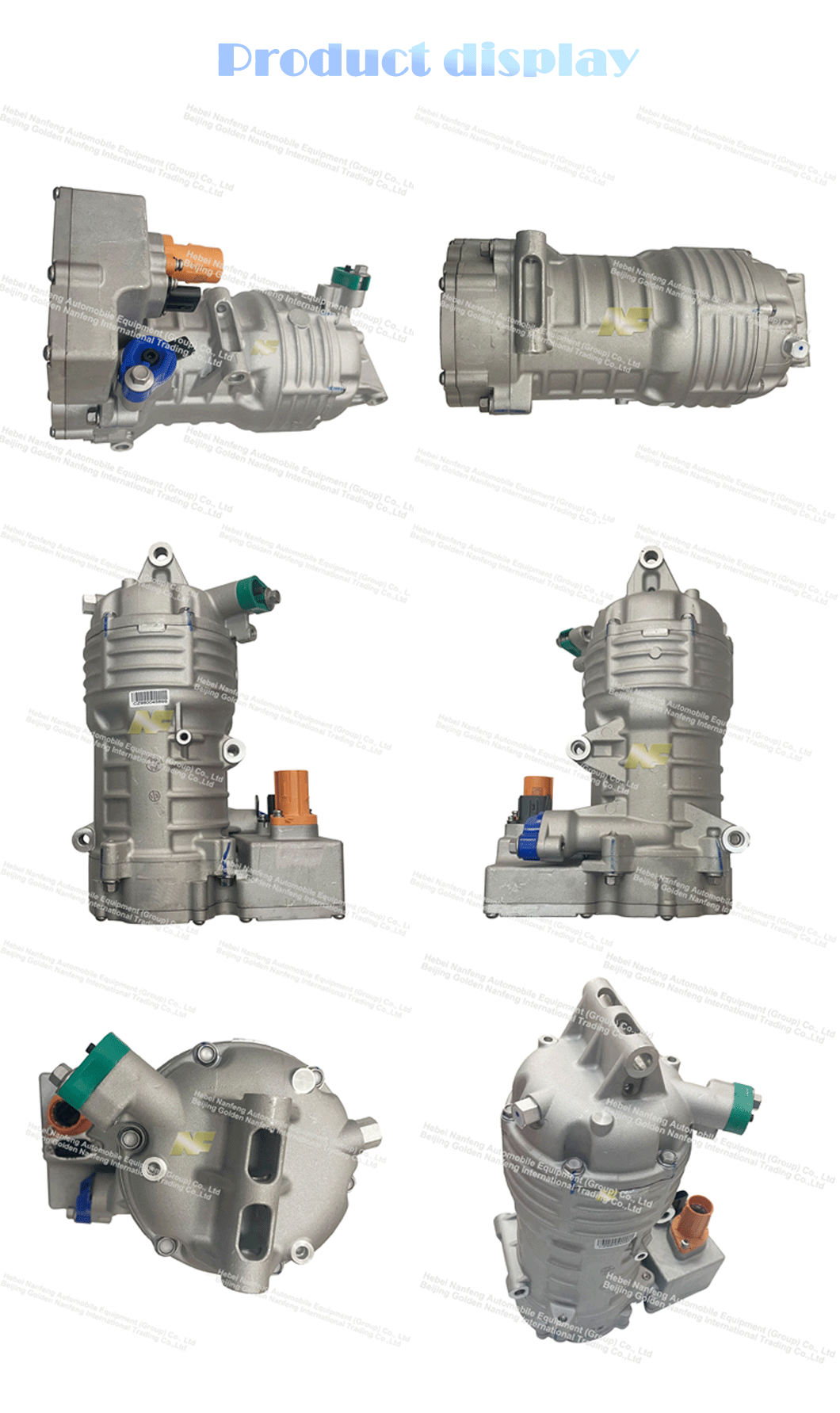
NF-EZC4506
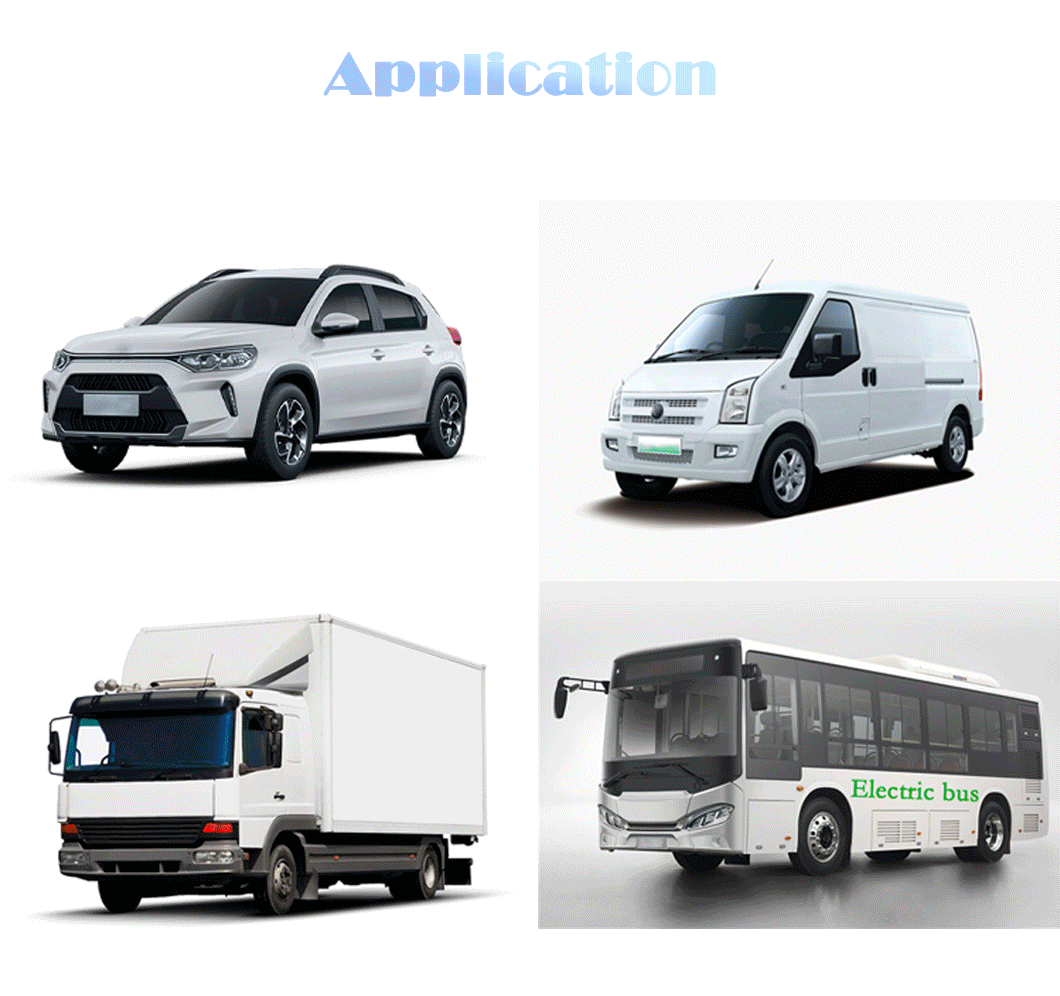
An electric air conditioning compressor is a core EV component—used in battery electric and hybrid vehicles. It’s powered directly by the vehicle’s high-voltage battery, replacing the engine-driven compressors in conventional cars. Key features: high efficiency, precise temperature control, low noise, and integrated heat pump functionality for seamless cooling/heating switching.
Quantity:
The Electric Air Conditioning Compressor is the core power component of the air conditioning cooling/heat pump heating system for electric vehicles and hybrid vehicles. It is also an exclusive product for new energy vehicles to replace traditional fuel vehicle engine belt driven compressors, commonly known as electric compressors (also commonly referred to as E-Compressors in the industry). It is driven by high/low voltage electricity throughout the vehicle to complete the compression and circulation of refrigerant, providing cooling and heat pump heating power for the vehicle. At the same time, it can cooperate with the power battery thermal management system to assist in temperature control. It is one of the core components of new energy vehicle thermal management.
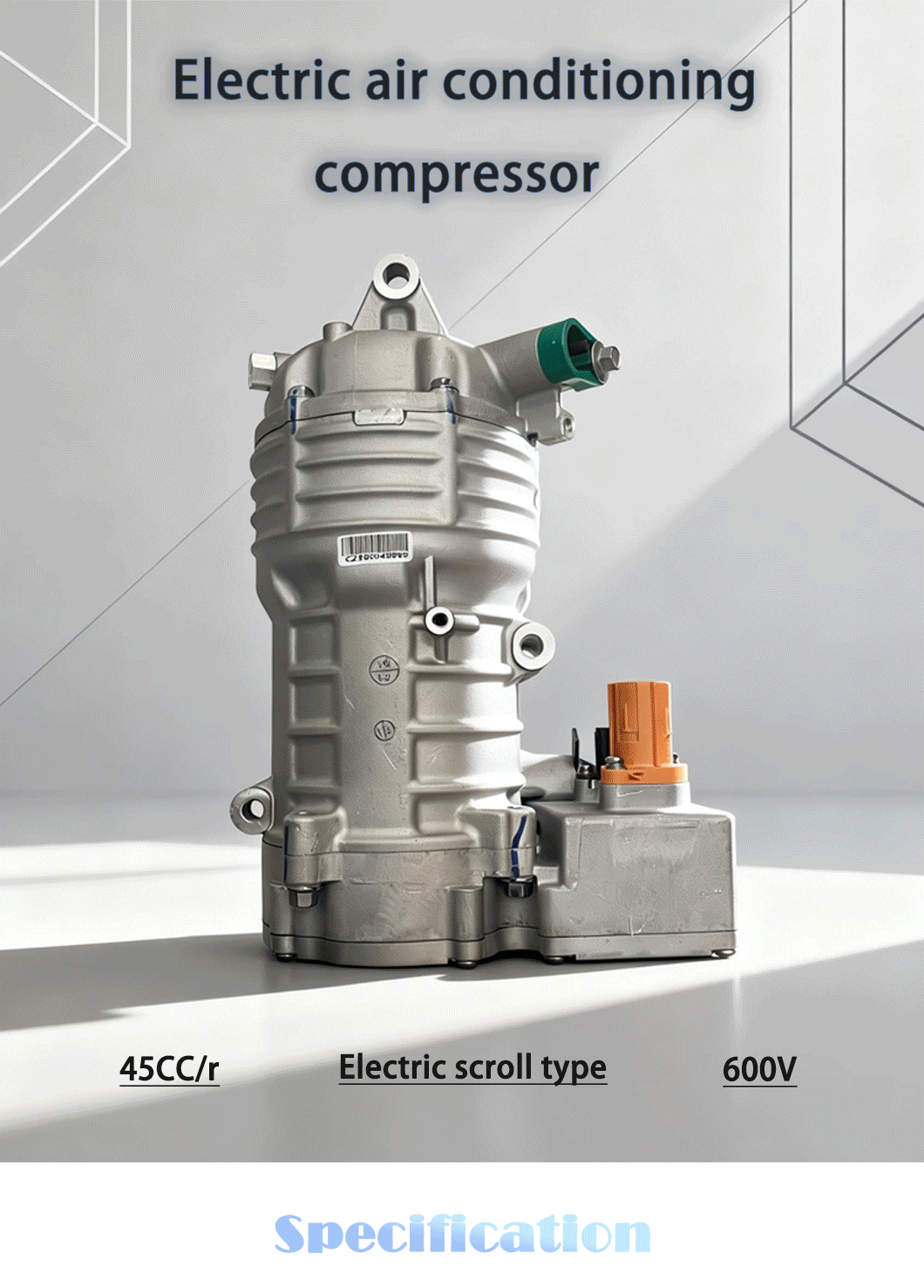
Model | NFEZC45 |
Type | Electric scroll |
Refrigerant | R290 |
Work temperature | -20℃~110℃ |
Storage temperature | -40℃~110℃ |
Voltage resistance | leakage current<10mA@2000V(AC)/50HZ |
Electrical isolation | ≥20MQ@1000V(DC) |
Displacement | 45CC/r |
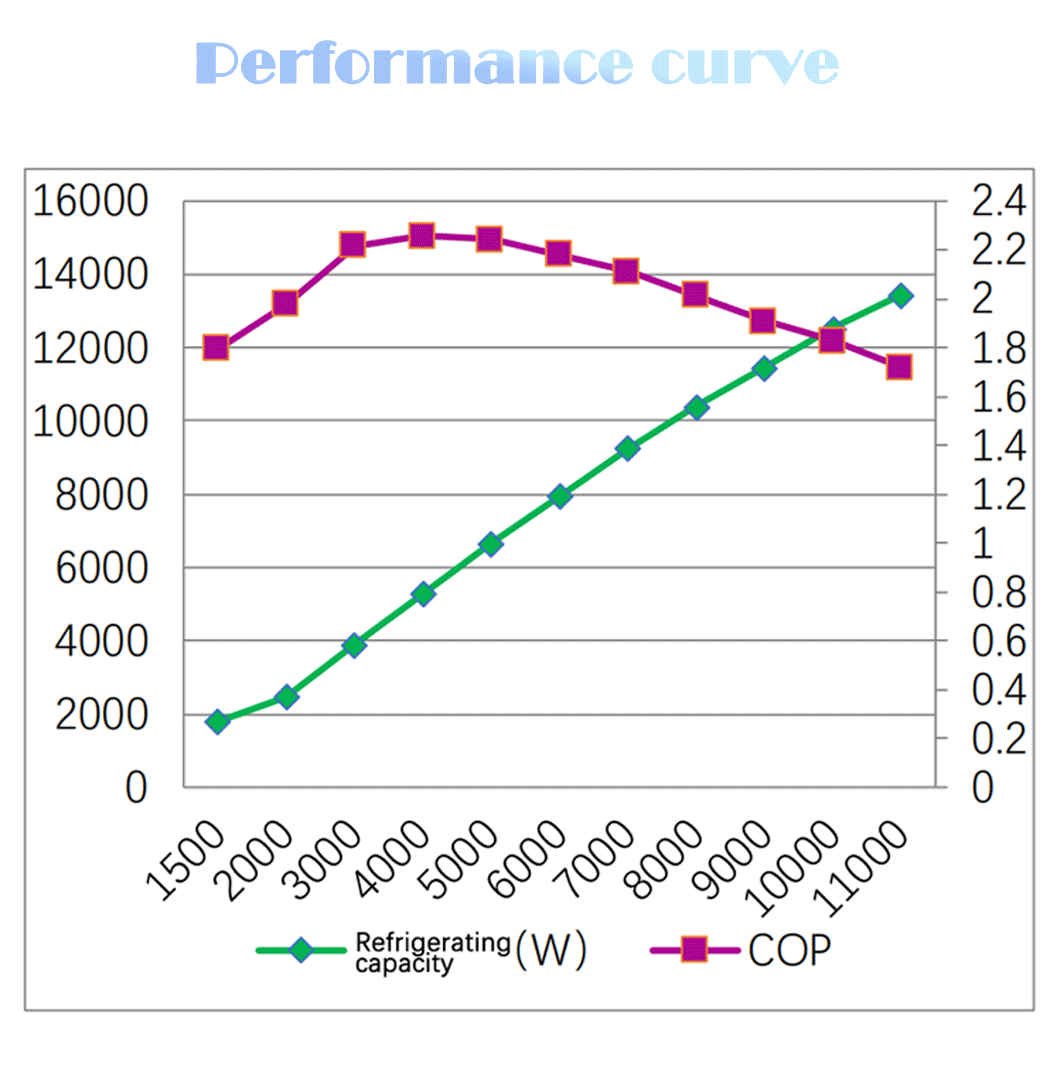
Speed range | 800-8500rpm(Customizable) |
Cooling method | sucion gas cooling |
Refrigerant leakage rate | ≤5g/year |
Lubricating oil | PVE |
Shell | Cast Aluminum Alloy Shot Peening |
Total weight (including oil) | ≤7.7kg(including oil) |
Install position | near motor or gear case |
Suction inner size | Φ28.4mm(Customizable) |
Discharge inner size | Φ15.35mm(Customizable) |
IP rating | IP67 |
Material restrictions | ROHS compliance, lead free |
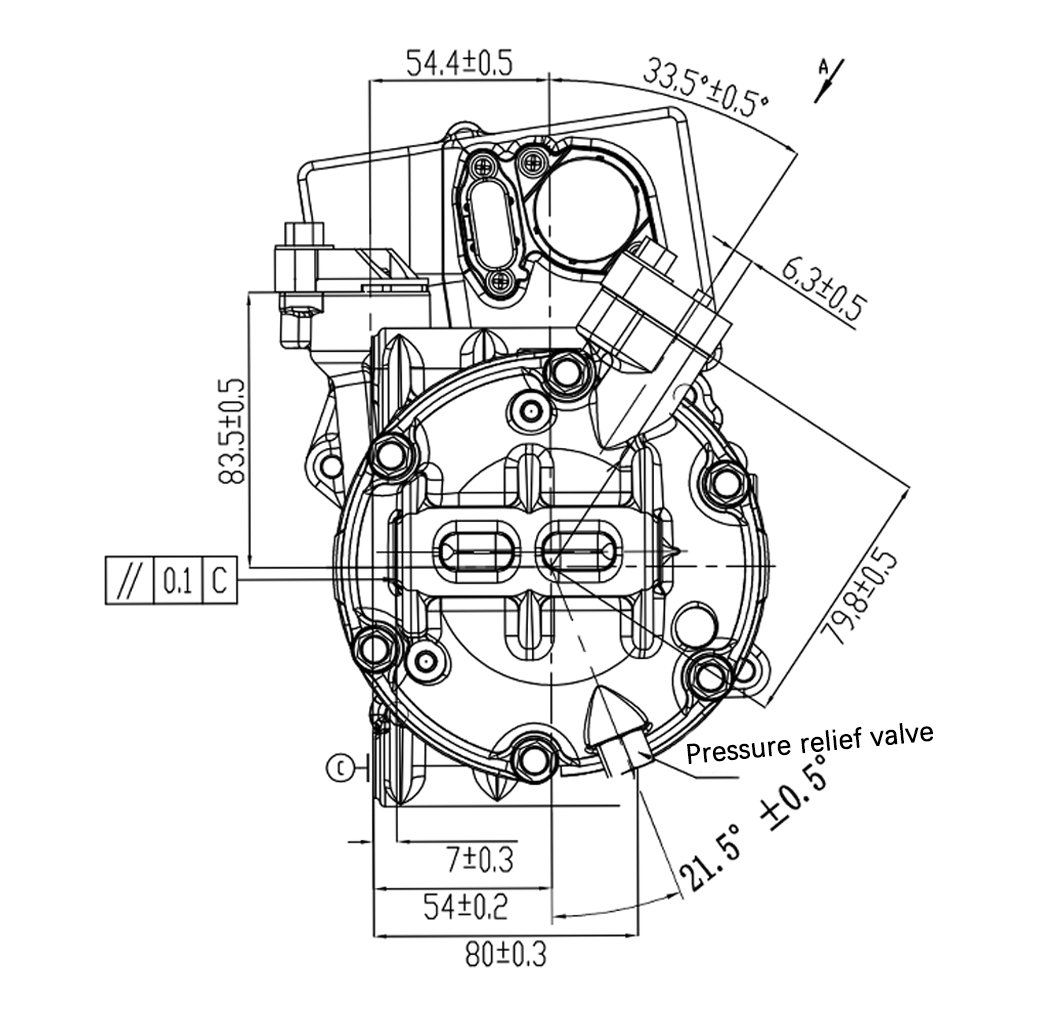
Mechanical pressure release | 4+0.4Mpa(A) |
Suction operating pressure | 0.1~0.5Mpa(A) |
Discharge operating pressure | 0.7~2.8Mpa(A) |
Maximum operating pressure | 2.8Mpa(A) |
Corrosion resistance | 500HRs later:functional and less than 5%surface area visual damage |
Cleanliness | Impurity weight 10mg,size 0.5mm max ,seal inlets and outlets use dust caps for shipping |
Core function
Different from traditional mechanical compressors that can only cool, electric air conditioning compressors are adapted to the characteristics of new energy vehicles without engine waste heat, achieving triple functions of cooling, heating, and auxiliary temperature control, which is a dual guarantee of cabin comfort and battery safety:
Cabin cooling: The core basic function is to compress low-temperature and low-pressure gaseous refrigerant into a high-temperature and high-pressure state, promote the circulation of refrigerant in the air conditioning circuit, transfer the heat inside the car to the outside, and achieve cabin cooling;
Heat pump heating: It is the core power source in the heat pump air conditioning system of new energy vehicles. By switching the refrigerant circuit through a four-way valve, low-grade thermal energy from the outside environment is"transported"to the interior for heating, with energy consumption only 1/3~1/2 of PTC heaters, greatly reducing the range loss of winter heating;
Auxiliary temperature control: high temperature heat dissipation of the battery (providing a cold source for the battery thermal management system when the water cooling heat dissipation efficiency is insufficient), high load auxiliary cooling of the motor/electronic control, taking into account the temperature stability of the core components of the vehicle.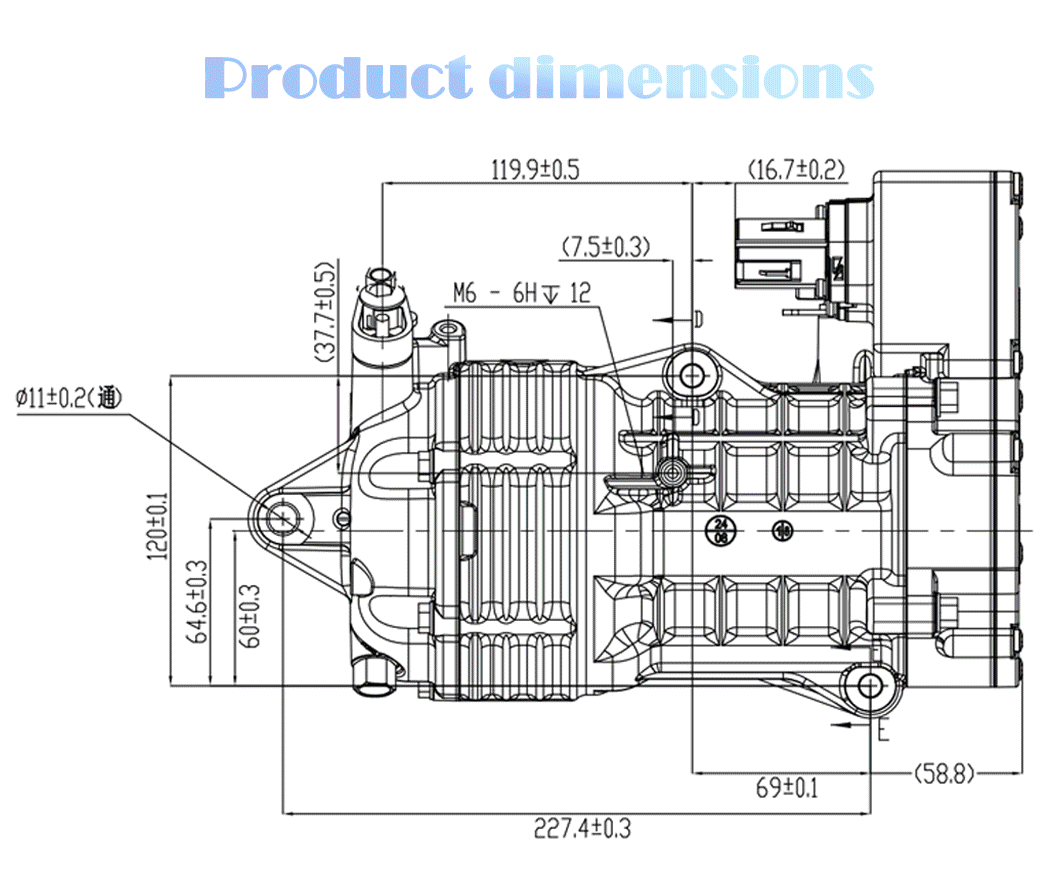
Different from traditional mechanical compressors that can only cool, electric air conditioning compressors are adapted to the characteristics of new energy vehicles without engine waste heat, achieving triple functions of cooling, heating, and auxiliary temperature control, which is a dual guarantee of cabin comfort and battery safety:
Cabin cooling: The core basic function is to compress low-temperature and low-pressure gaseous refrigerant into a high-temperature and high-pressure state, promote the circulation of refrigerant in the air conditioning circuit, transfer the heat inside the car to the outside, and achieve cabin cooling;
Heat pump heating: It is the core power source in the heat pump air conditioning system of new energy vehicles. By switching the refrigerant circuit through a four-way valve, low-grade thermal energy from the outside environment is"transported"to the interior for heating, with energy consumption only 1/3~1/2 of PTC heaters, greatly reducing the range loss of winter heating;
Auxiliary temperature control: high temperature heat dissipation of the battery (providing a cold source for the battery thermal management system when the water cooling heat dissipation efficiency is insufficient), high load auxiliary cooling of the motor/electronic control, taking into account the temperature stability of the core components of the vehicle.