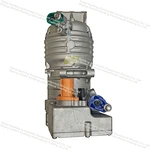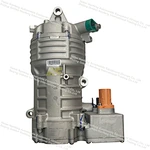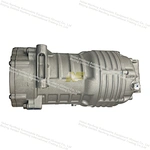
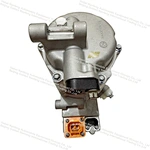
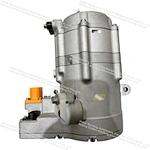
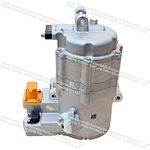
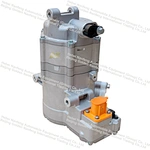
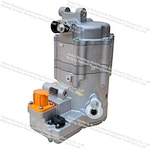
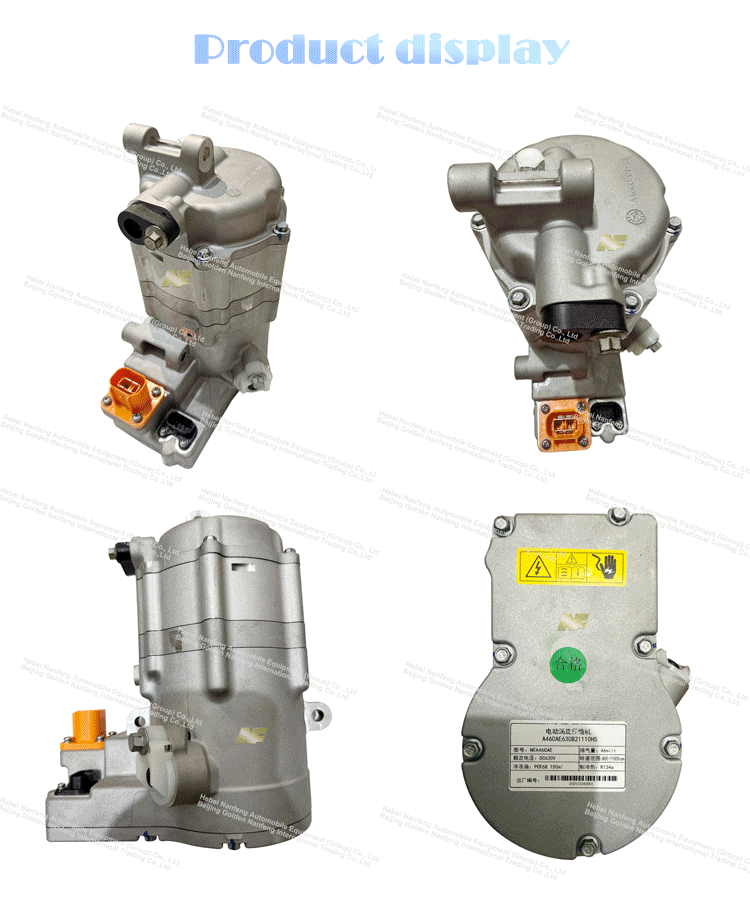
electric vehicle ac compressor
NFE46630V01
In traditional gasoline-powered vehicles, the air conditioning compressor is driven by the engine via a belt, consuming some of the engine's power. In electric and hybrid vehicles, however, the electric air conditioning compressor plays an independent and crucial role and is considered the "heart" of the new energy vehicle's thermal management system.
Quantity:
The new energy electric air conditioning compressor is the core power component of the air conditioning system in new energy vehicles, and a key device that distinguishes it from the air conditioning compressors in traditional fuel vehicles. Traditional fuel vehicle compressors are driven by the engine belt, while new energy vehicles (pure electric and hybrid) do not have an engine as a power source. Therefore, they require an electric compressor directly driven by a motor, which simultaneously undertakes the core functions of in-vehicle cooling and auxiliary heating (in heat pump systems).
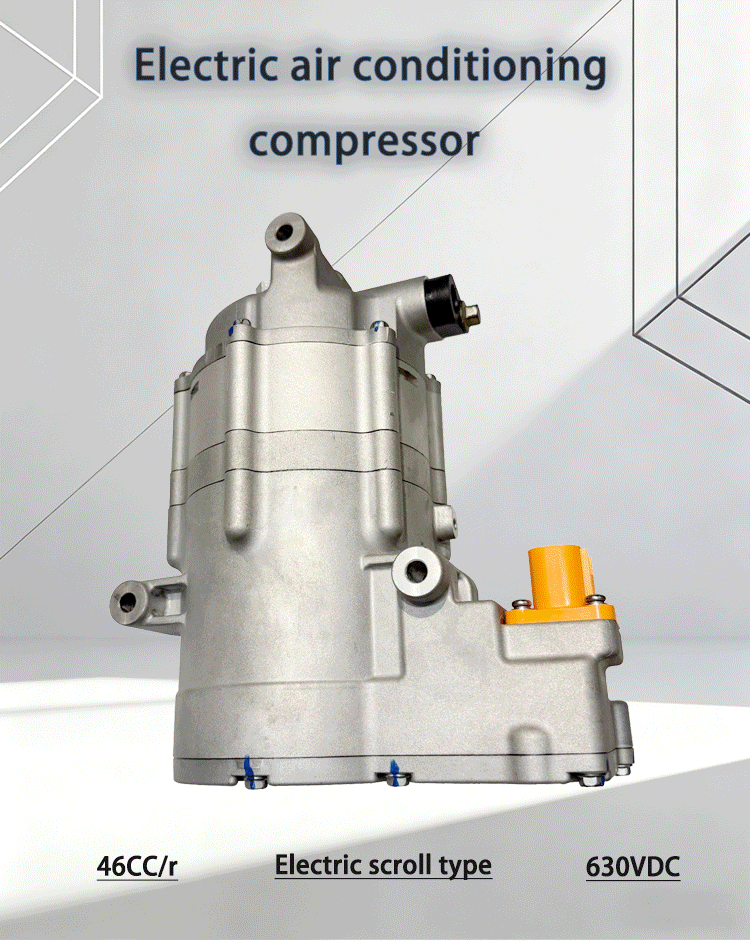
Model | NFEZC45 |
Type | Electric scroll |
Refrigerant | R134a/HF01234-yf |
Displacement | 46cc/r |
Speed range | 800-11000RPM |
Refrigerant Oil/Oil Volume | POE68S/150ML |
HV Rated Voltage | 630V(DC) |
LV Rated Voltage | 24VDC |

- Battery Electric Vehicles (BEVs): As a core component of air conditioning and battery thermal management systems for various types of battery electric vehicles, it is compatible with various types of battery electric passenger vehicles, including family cars, compact cars, and mid-to-large-sized cars, to meet the daily driving and riding temperature control and battery protection needs.
- Plug-in hybrid electric vehicles (PHEVs): These vehicles are compatible with hybrid electric driving modes. Even in pure electric driving mode where the engine is not running, they can independently drive the air conditioning to ensure driving comfort while also taking into account battery thermal management.
- New energy commercial vehicles: widely used in electric buses (buses, long-distance buses), electric trucks (light trucks, heavy trucks), and electric special vehicles, including electric sanitation vehicles, electric logistics vehicles, electric school buses, etc., to meet the temperature control requirements of commercial vehicles with large capacity and long-term operation.
- New energy special vehicles: widely used in special vehicles such as electric engineering vehicles (electric excavators, electric loaders), electric patrol vehicles, and electric ambulances, providing stable temperature control for drivers and equipment in special operating scenarios.