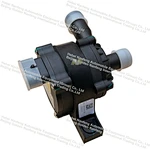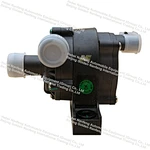
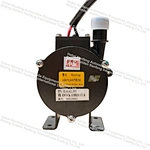
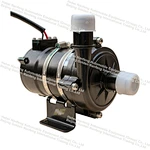
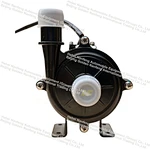
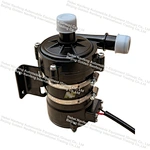
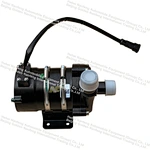
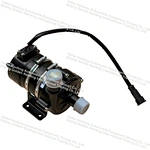
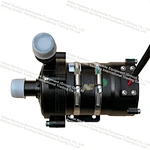
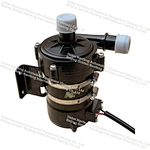
EV Coolant Circulation Pump
* Engine Cooling Electronic Water Pump: Used in the main cooling cycle of engines in traditional gasoline or hybrid vehicles.
* Three-Electric Cooling Electronic Water Pump: In new energy vehicles, specifically used for the cooling cycle of the battery, drive motor, and motor controller.
* Turbocharger Cooling Water Pump: Used in the cooling circuit of the turbocharger.
* Air Conditioning System Circulating Water Pump: Used in the automotive air conditioning thermal management system.

| Rated voltage(V) | DC24V |
| Working voltage range | DC18V~32V |
| Rated current | ≤11.5A |
| Rated power | 240W |
| Waterproofing Grade | IP68 |
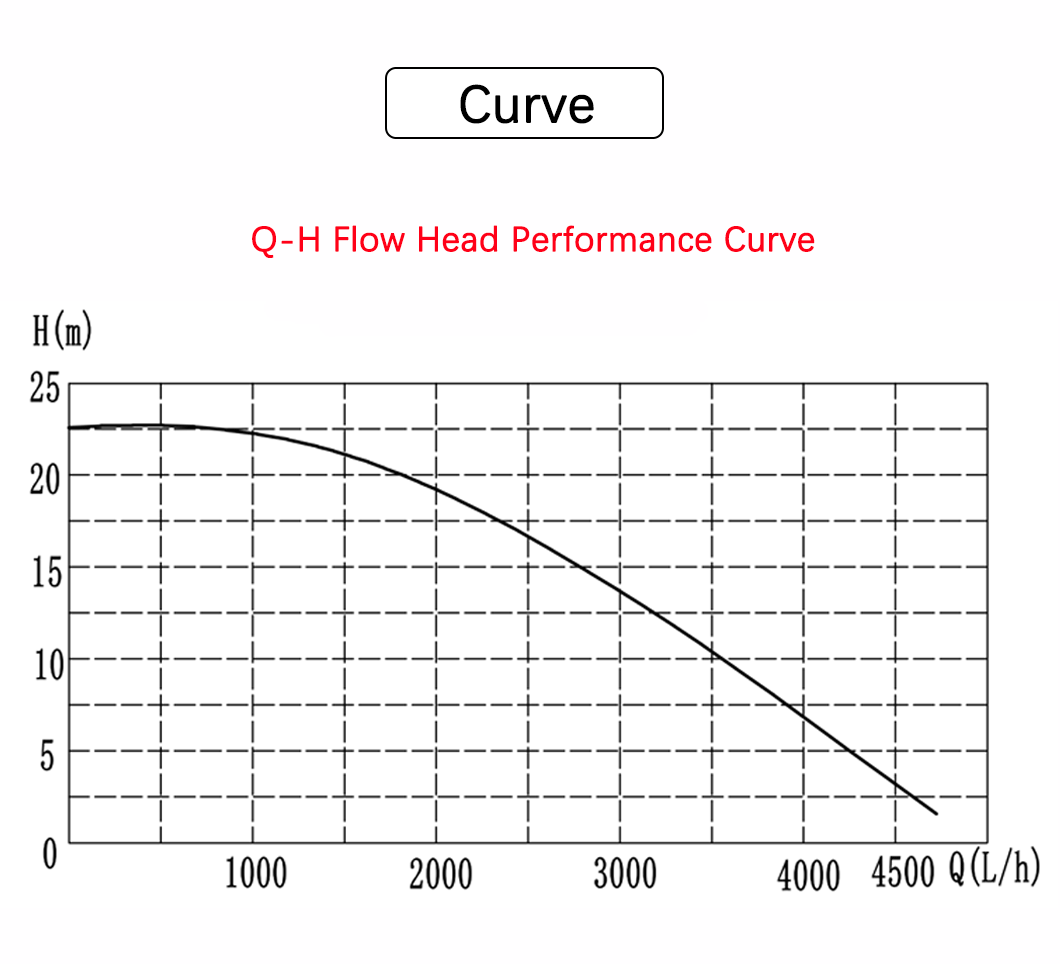
| ated flow | ≥3000L/h@13m |
| Maximum Head | ≥20m |
| Noise | ≤60 dB at 1 m |
The working process of an automotive electronic water pump:
*The vehicle's ECU, based on feedback signals from the water temperature sensor and engine load, adjusts the duty cycle via PWM signals and sends instructions to the controller inside the electronic water pump.
*The controller, according to the instructions, controls the motor speed, driving the impeller to rotate. A low-voltage zone is formed at the center of the impeller, drawing in coolant, which is then expelled from the outlet by centrifugal force, achieving coolant circulation.
*The ECU can precisely control the water pump speed and adjust the coolant flow rate based on the engine's real-time operating conditions. For example, the flow rate is reduced during cold starts to accelerate warm-up, and increased during high loads to enhance heat dissipation.
*Automotive electronic water pumps have self-diagnostic capabilities, protecting against abnormal conditions such as over-temperature, over-voltage, over-current, and idling, and feeding back fault information to the ECU or notifying the driver via the dashboard alarm.
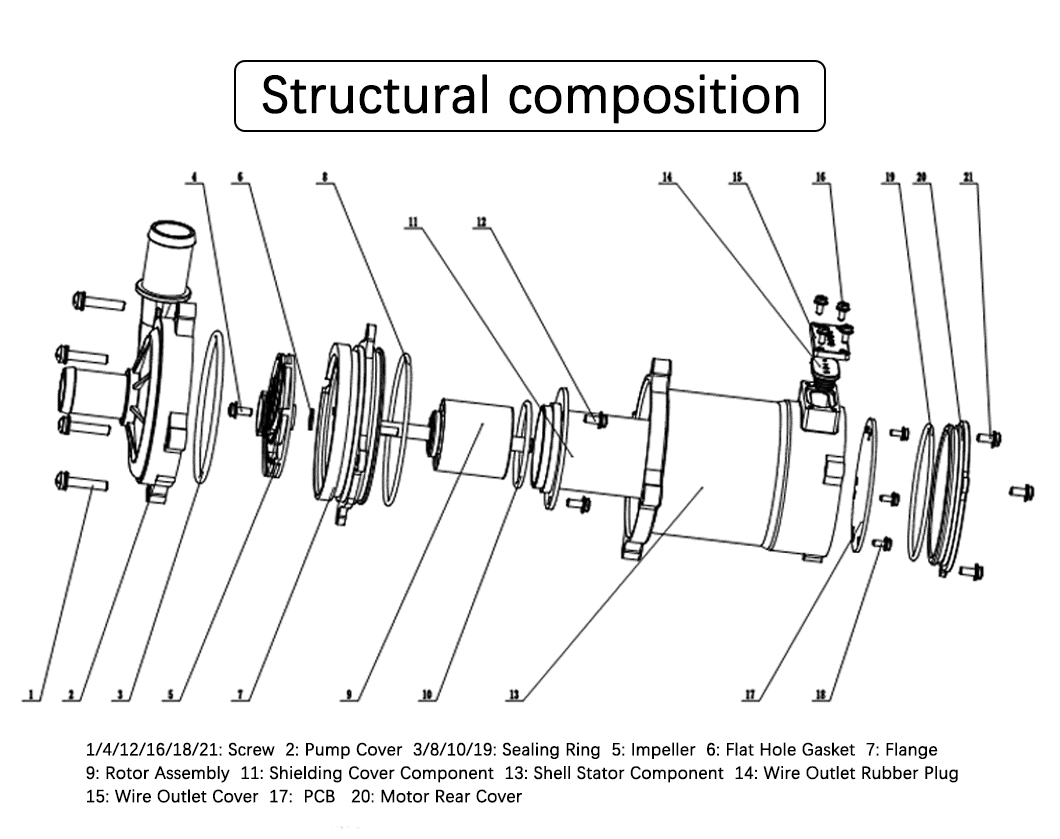
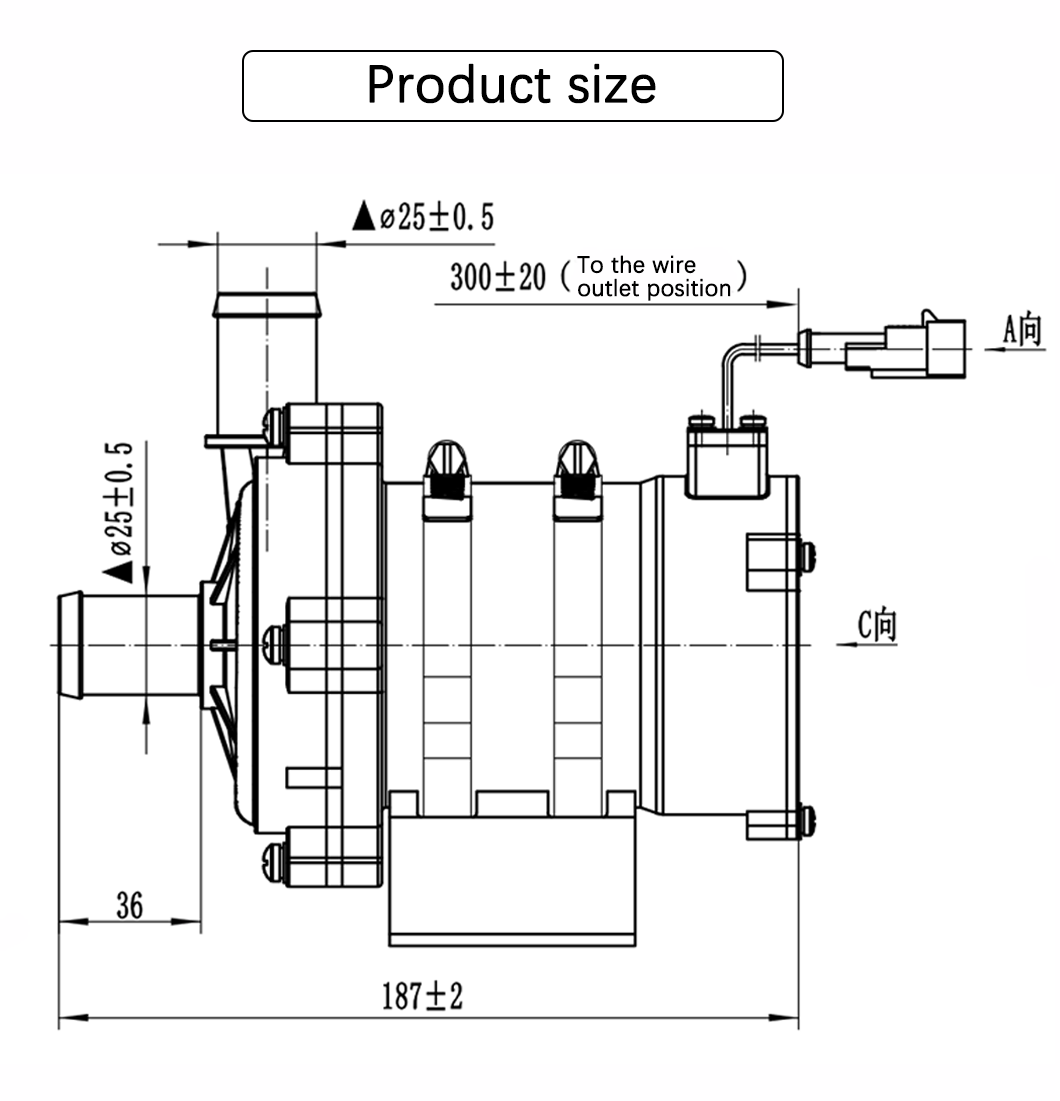
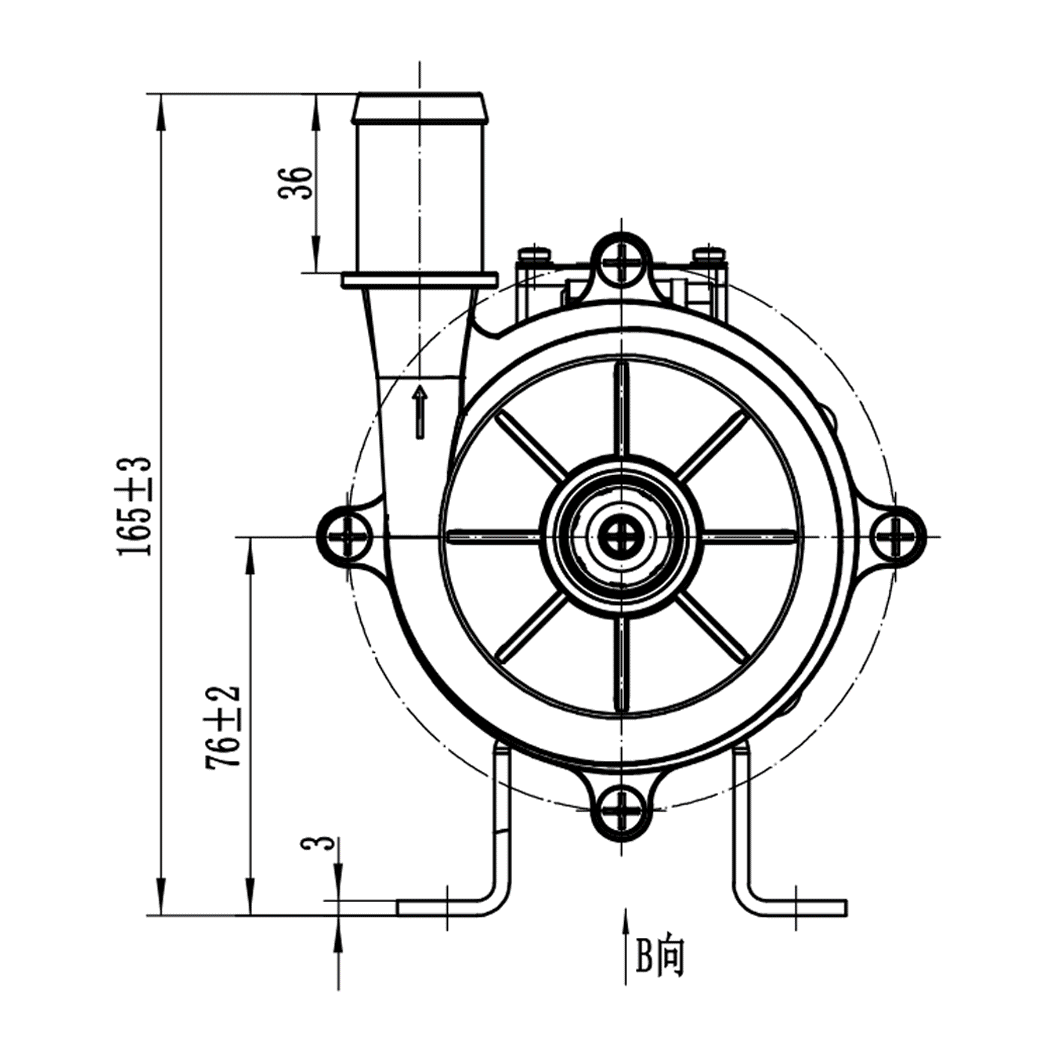
This series of electronic water pumps features a brushless motor-driven canned pump structure. The main components are as follows:
A brushless DC motor (BLDC motor) consisting of a rotor assembly (including the impeller assembly) and a stator housing assembly (including the can sleeve and rear bearing housing assembly).
A controller (PCB assembly) used for communication with the main control unit to control the brushless DC motor.
A pump cover used for connection to the vehicle, engine, and cooling system.
A brushless motor rear cover including a cable outlet assembly for connection to the vehicle.