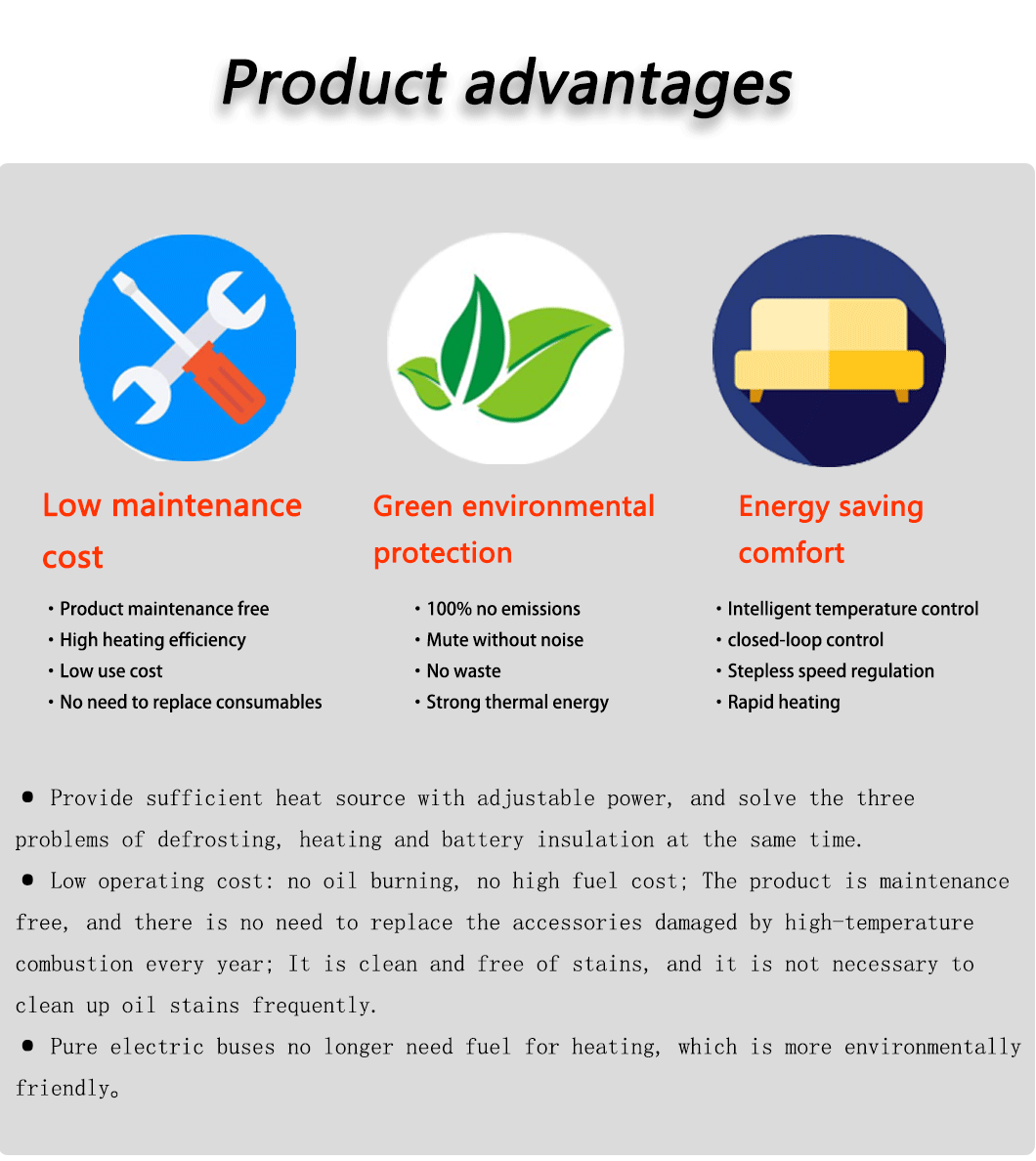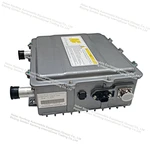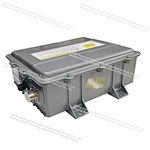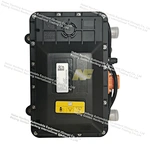
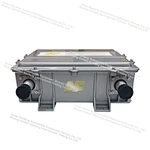
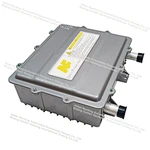
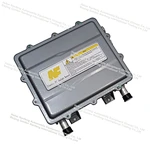
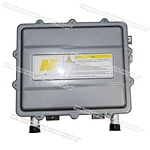
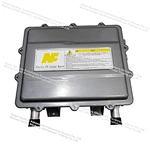
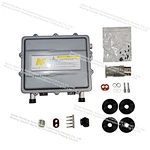
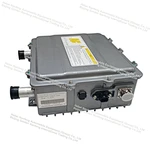
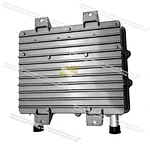
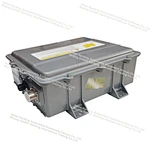
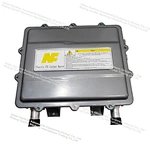
Coolant Ptc Heater For Electric Vehicle
PTC heaters (heat exchangers), as a core component of the heating system in new energy vehicles, are already widely used. Pure electric vehicles, lacking the engine and heat source of traditional cars, rely on the heat energy from PTC heaters for heating. In the field of new energy vehicles, PTC heating technology is also an important part of automotive thermal management.
The liquid PTC heater series uses high-voltage PTC as the heating element and achieves power level and PWM regulation through two control methods: high-voltage contactor and IGBT. It provides an independent heat source for the entire vehicle through a circulating medium.
| Model | NF HVH-Q30 |
| Rated voltage | 600V |
| Voltage range | 450-750V |
| Rated power | 30KW |
| Flow(L/h) | >3000 |
| Control signal | CAN |
| Protection level | IP67 |
| Weight | 10.5kg |
| Mounting dimension | 162*305mm |
Product Features
⚫ The heating element is a high-voltage PTC, with an IP67 protection rating and a continuous dry-burning time of >500 hours;
⚫ During operation, the controller monitors the high-voltage and current in real time. In case of overvoltage/overcurrent, it actively cuts off the high voltage and shuts down with an alarm.
⚫ The heater has a built-in high-voltage fuse, which can promptly cut off the high voltage in case of an internal short circuit, preventing malfunctions in other vehicle components.
⚫ The product has passed EMC and E-Mark certifications.
⚫ The product can achieve time and temperature control functions via CAN communication; the product's corrosion resistance meets the 720-hour neutral salt spray test.

The PTC electric heater has a self-protection function. During normal operation, it can monitor its own operating status in real time and report back to the vehicle controller via the CAN interface. Once an anomaly is detected, protective measures can be taken promptly, such as automatically limiting the heating temperature and operating current.
The vehicle is responsible for monitoring the insulation condition of the PTC electric heater.