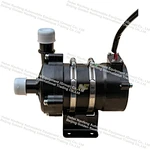
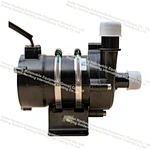
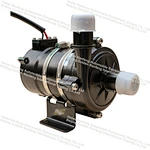
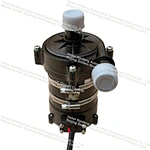
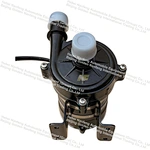
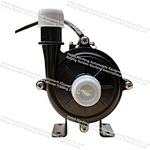
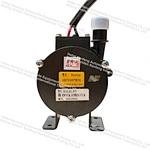
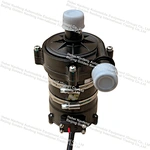
EV Battery Coolant Pump
New energy vehicles are the main users of electronic water pumps. Pure electric vehicles and plug-in hybrid vehicles are typically equipped with multiple electronic water pumps for thermal management of systems such as batteries, motors, electronic controls, and air conditioning. In traditional fuel vehicles, especially those with high-tech engines and turbocharged engines, electronic water pumps are gradually replacing mechanical water pumps. Automotive electronic water pumps are crucial components for achieving intelligent thermal management in automobiles, enabling efficient, energy-saving, and reliable operation of the cooling system through precise electronic control. As the automotive industry moves towards electrification and intelligence, the application of electronic water pumps is becoming increasingly widespread.
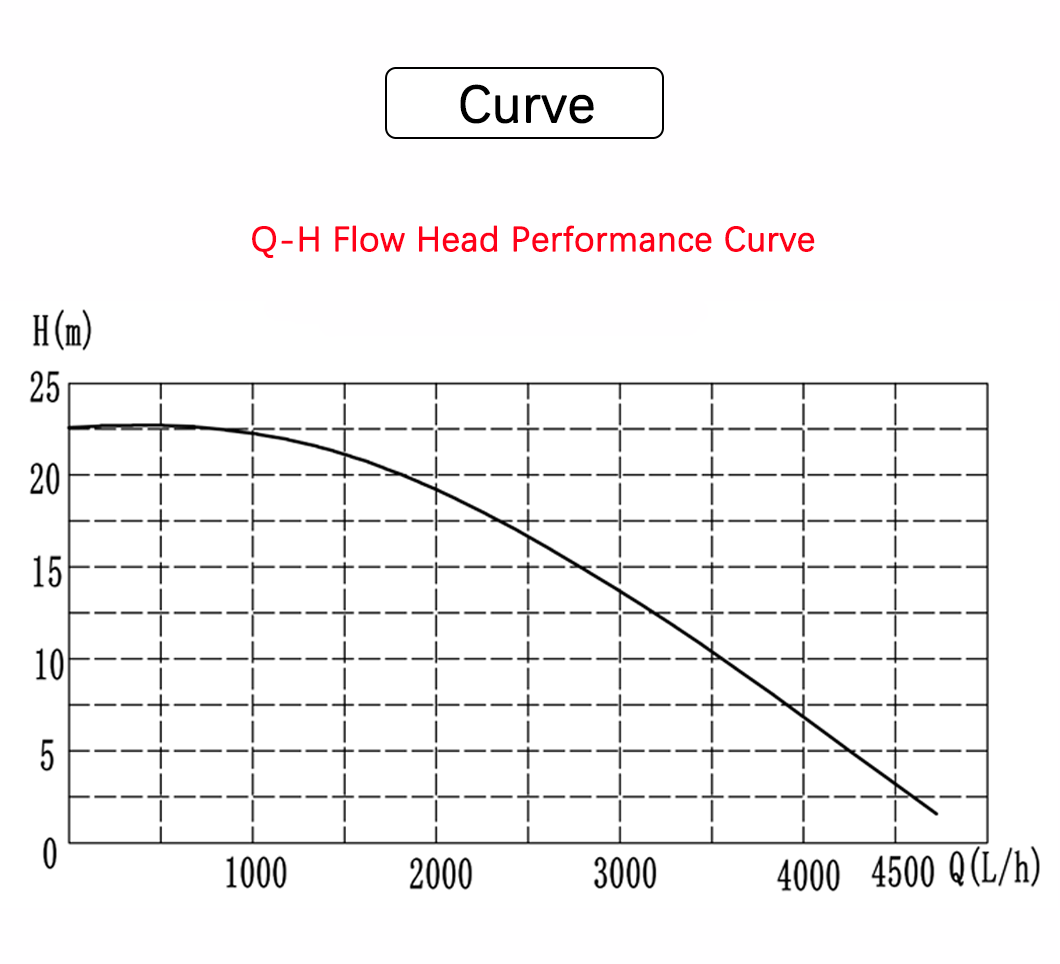
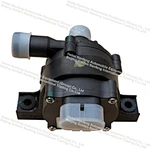
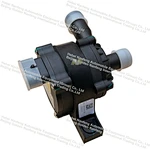
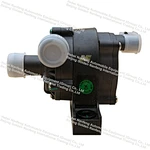
Below, we would like to recommend our 240W EV Battery Coolant Pump.

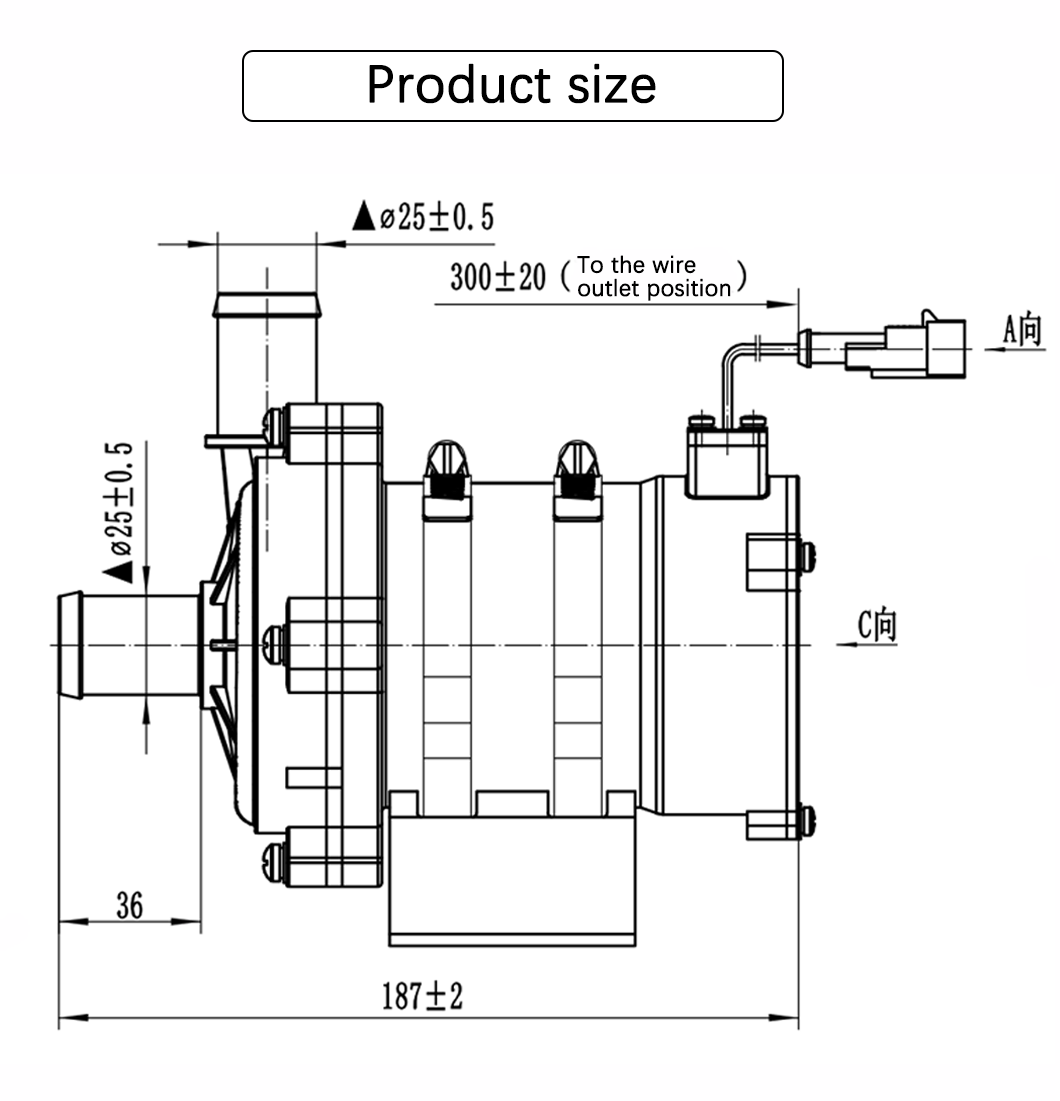
This series of electronic water pumps features a brushless motor-driven canned pump structure. The main components are as follows:
A brushless DC motor (BLDC motor) consisting of a rotor assembly (including the impeller assembly) and a stator housing assembly (including the can sleeve and rear bearing housing assembly).
A controller (PCB assembly) used for communication with the main control unit to control the brushless DC motor.
A pump cover used for connection to the vehicle, engine, and cooling system.
A brushless motor rear cover including a cable outlet assembly for connection to the vehicle.

What are the advantages of automotive electronic water pumps compared to mechanical water pumps?
* Precise Control and High Energy Efficiency: Can precisely control coolant flow according to actual needs, avoiding unnecessary energy consumption and resulting in lower energy consumption than mechanical water pumps.
* Improved Performance: Accelerates the warm-up process, helping to reduce fuel consumption and emissions during cold starts.
* High Reliability and Long Lifespan: Utilizes direct electric drive, reducing mechanical transmission parts and friction, lowering the risk of leakage, and extending service life.*Flexible placement and low noise: Relatively small in size, allowing for flexible installation locations, facilitating vehicle layout, and operating with low noise.
*Intelligent integration: Flexible control methods (PWM, bus) and multiple protection functions (over-temperature, over-voltage, over-current, etc.).