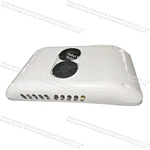
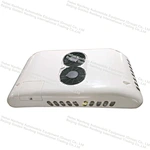
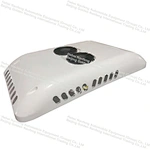
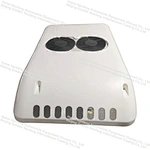

Battery Liquid Cooling Systems
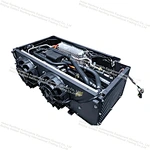
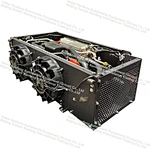
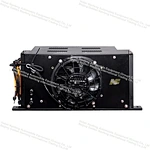
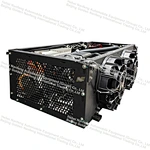
NF XD 288D1
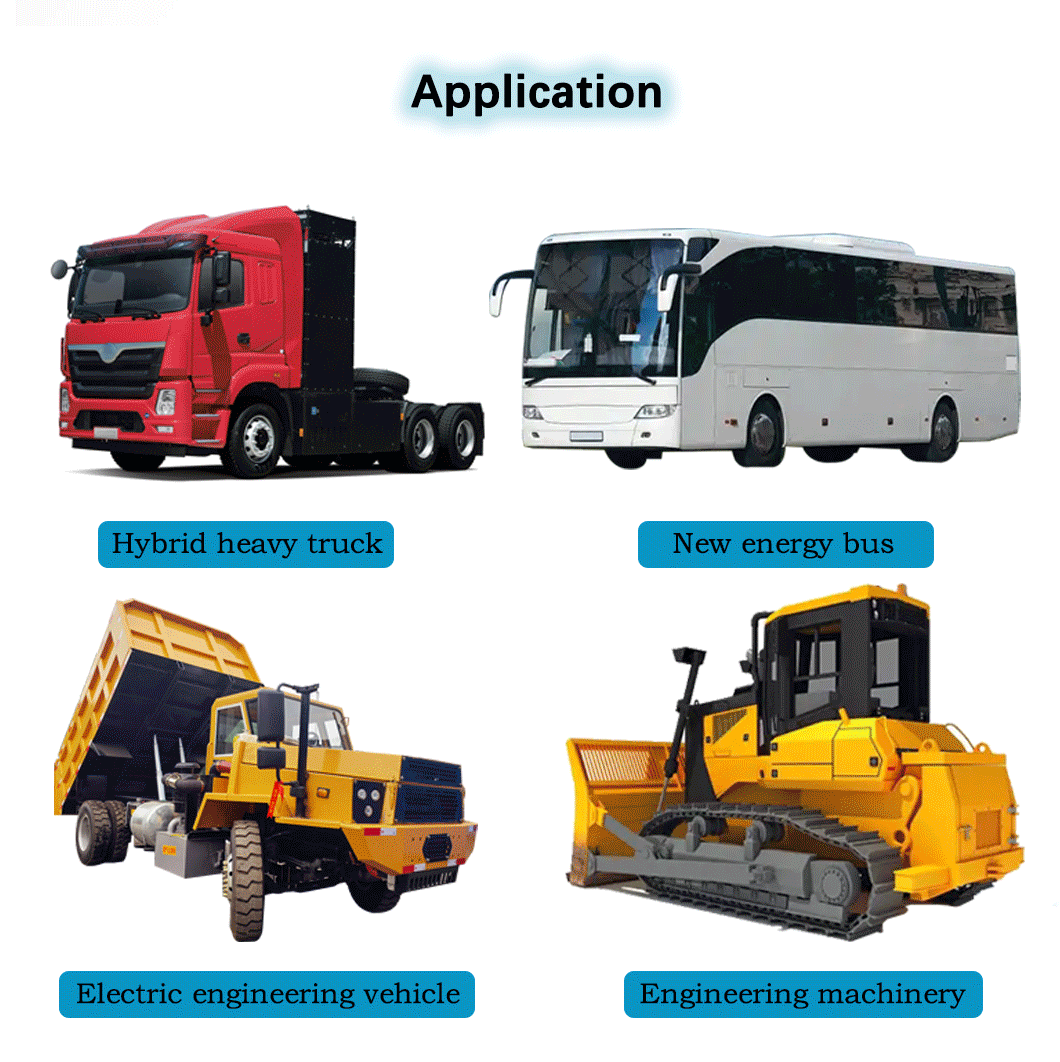
BTMS is a core energy management solution specifically designed for new energy commercial vehicles (heavy-duty trucks, light-duty trucks, buses, cold chain logistics vehicles, etc.).
Quantity:
The thermal management system for electric vehicles (TMS) is a crucial system that ensures the safe operation of batteries, improves vehicle efficiency, and enhances passenger comfort. The following is a detailed introduction:
Composition and Working Principle
Battery Thermal Management System (BTMS)
Composition: It consists of temperature sensors, heating devices, cooling systems, and central control modules.
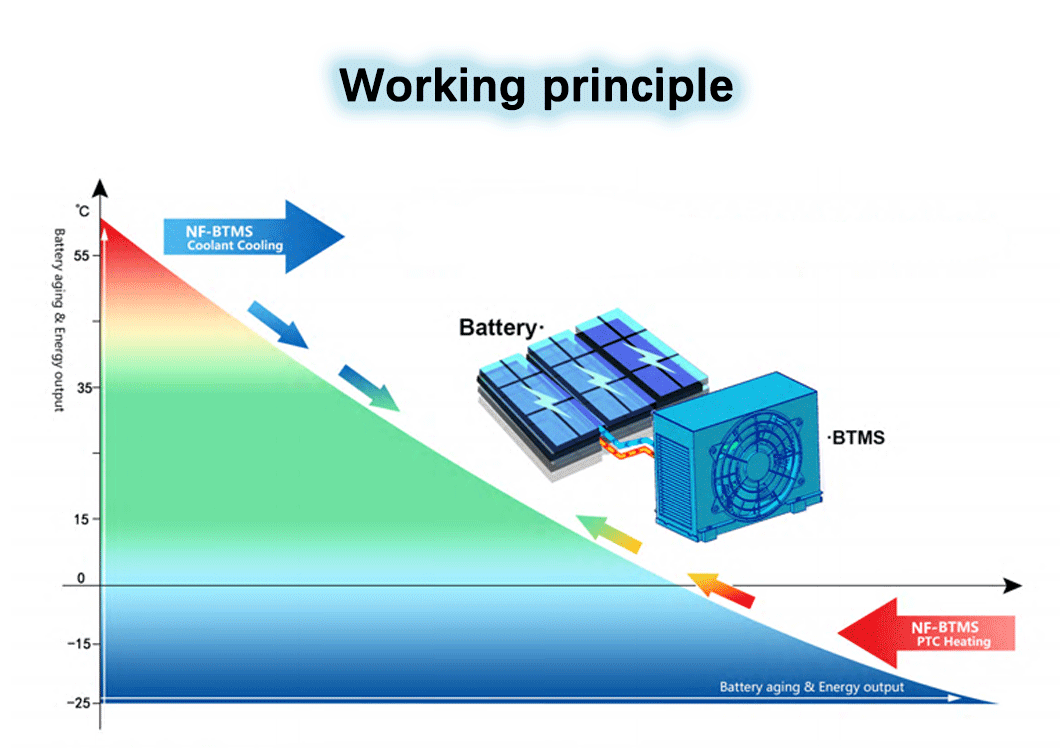
Working Principle: The temperature sensors distributed inside the battery pack monitor the temperature of each cell in real - time. When the battery temperature is lower than 15℃, the control module activates the heating device, such as a PTC heater or a heat pump system, to raise the battery temperature. When the battery temperature exceeds 35℃, the cooling system intervenes. The coolant circulates in the internal pipelines of the battery pack to take away the heat and dissipate it through the radiator.
Motor and Electronic Control Thermal Management System
Working Principle: It mainly adopts the method of active heat dissipation, that is, the motor coolant circulates to take away the heat of the electric drive system. In low - temperature environments, the waste heat of the motor can be introduced into the cockpit for heating through the heat pump system.
Key Technologies: Oil - cooled motors are used to directly cool the stator windings with lubricating oil to improve heat dissipation efficiency. Intelligent temperature control algorithms dynamically adjust the coolant flow according to the working conditions.
Air - conditioning and Cockpit Thermal Management System
Cooling Mode: The electric compressor compresses the refrigerant, the condenser dissipates heat, the evaporator absorbs heat, and the blower supplies air to achieve the cooling function.
Heating Mode: PTC heating uses resistors to heat the air, but the energy consumption is high. The heat pump technology switches the flow direction of the refrigerant through the four - way valve to absorb heat from the environment, with a higher coefficient of performance.
| Cooling capacity | 7.5kw | LV power consumption | ≤35A |
| Heating capacity | // | Refrigerant | R134a |
| compressor displacement | 50CC/r | Unit weight | 60KG |
| Condensing air volume | 4400m³/h | physical dimension | 1345*1049*278 |
| HV power consumption | ≤15A | Applicable models | 8-12m bus |
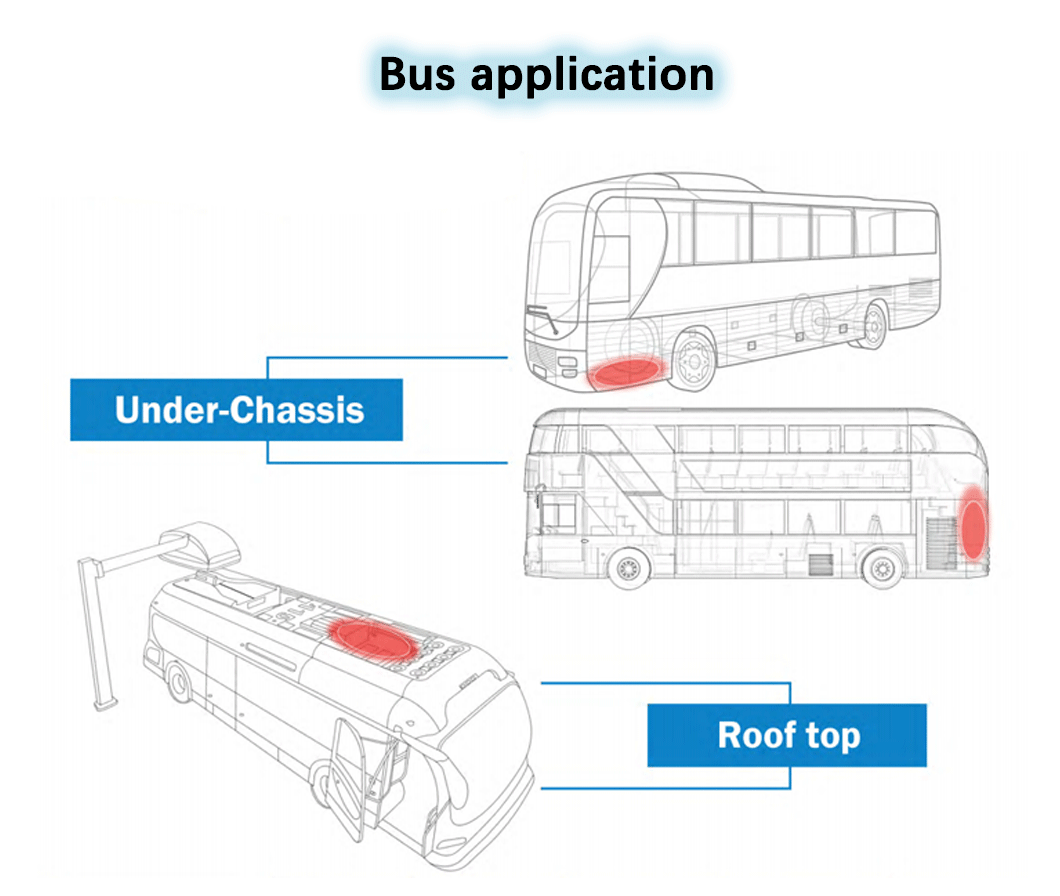
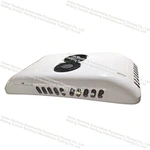
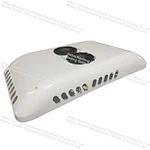
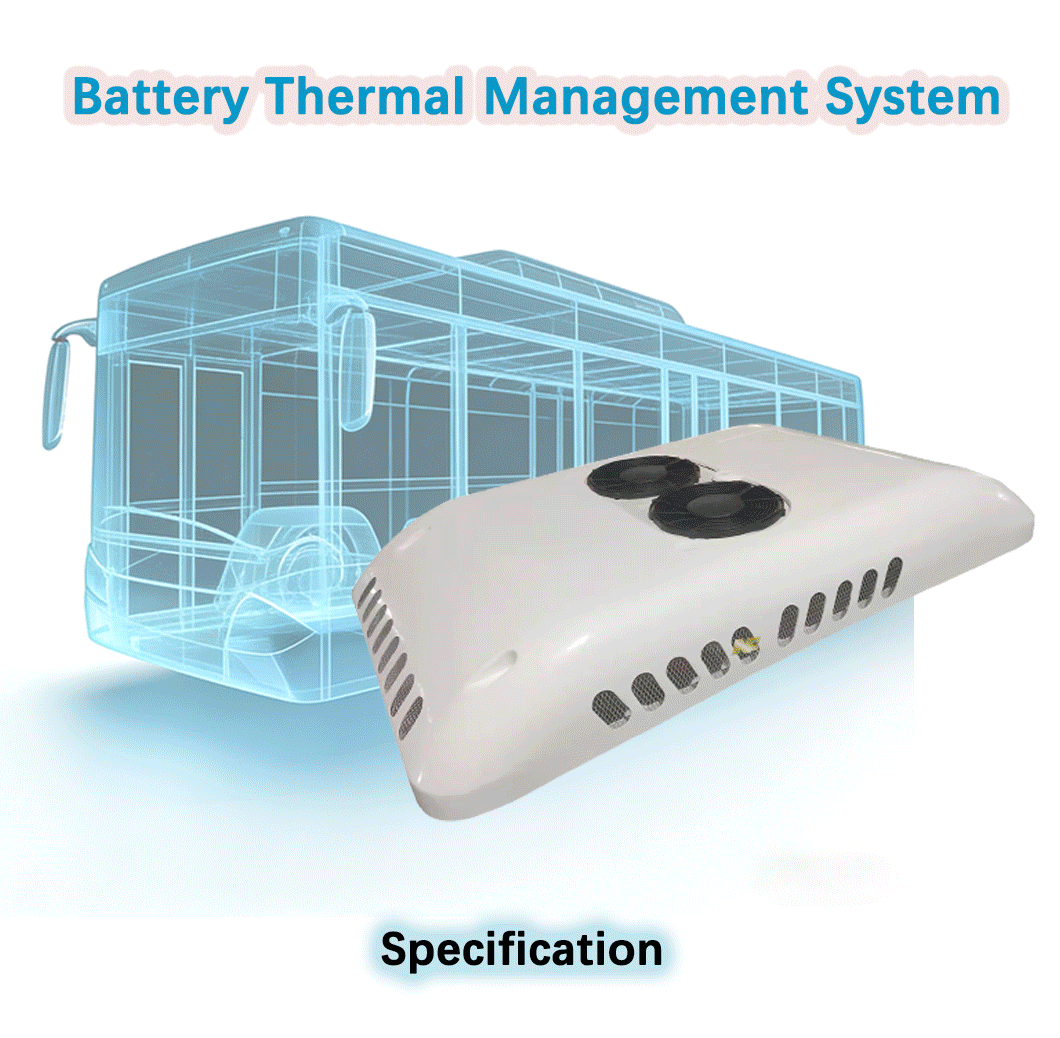
The top-mounted unit is installed on the vehicle roof, occupying no interior space. It features a modular design for easy installation and maintenance. With good EMC (electromagnetic compatibility) in compliance with relevant standards, it does not affect the stability of the product under test or the reliable operation of surrounding equipment. The modular unit can be adapted to different vehicle structures with appropriate installation space.