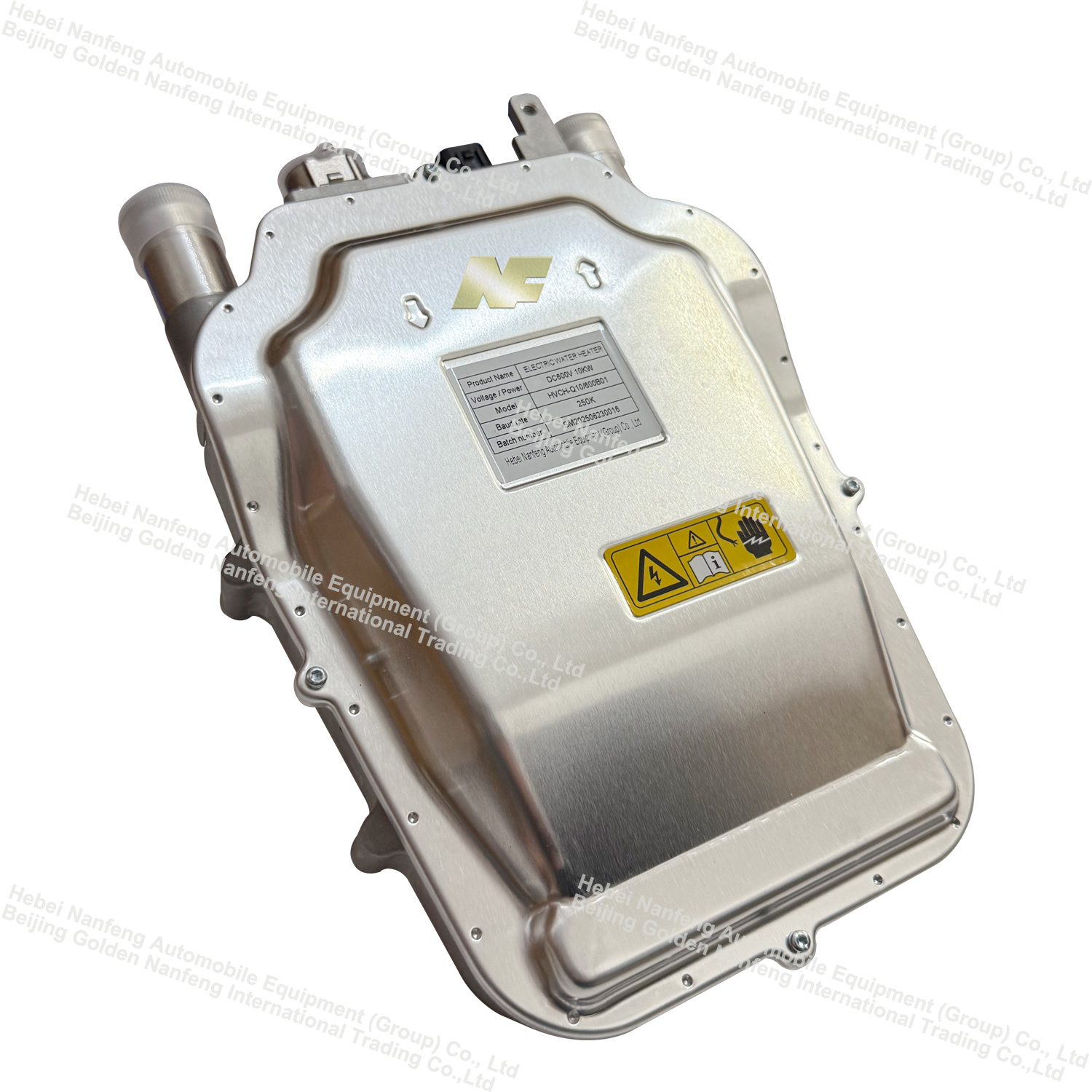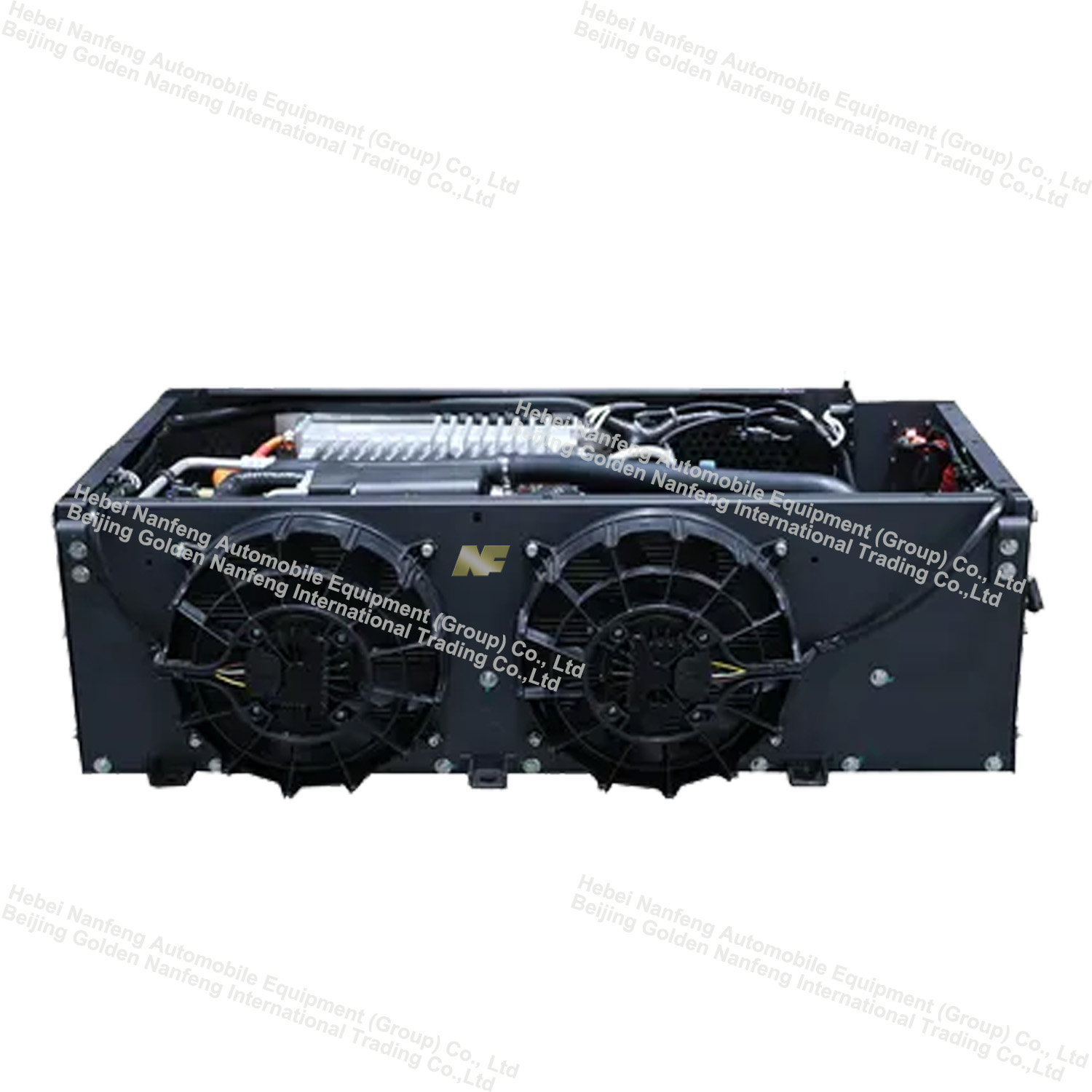
Why are thick-film electric heaters becoming a popular trend?


First, they offer extreme energy efficiency, alleviating concerns about range. Unlike traditional PTC ceramic heaters, thick-film technology utilizes a resistor paste directly printed and sintered onto a metal substrate, resulting in extremely low thermal resistance and a heat conversion efficiency exceeding 96%. This technology provides instant heating, rapidly raising cabin temperature and significantly reducing battery drain during winter heating, directly contributing to extended vehicle range.
Second, they offer a compact, integrated design. Thick-film heaters are compact and flexible, allowing them to be integrated like "heated floors" beneath the vehicle's dashboard, inside seats, or even into the battery pack coolant. This allows for zoned, targeted, and precise heating, saving valuable interior space and enhancing driver comfort.
Finally, they offer safety, reliability, and intelligent control. The heating element maintains a uniform surface temperature, eliminating the risk of localized overheating and ensuring high safety. Furthermore, it supports high-precision, stepless power regulation, seamlessly integrating with the vehicle's thermal management system to implement intelligent, on-demand thermal management strategies.
In summary, thick-film electric heaters, with their combined advantages of high energy efficiency, rapid response, compact structure, and high safety, successfully address the energy consumption pain points of winter heating in new energy vehicles. They have become a key technology for improving vehicle range and user experience, rapidly gaining popularity and becoming a new industry standard.


Why Do New Energy Vehicles Need Defrosters?
Battery Thermal Management Technology Development in 2025
Related Article