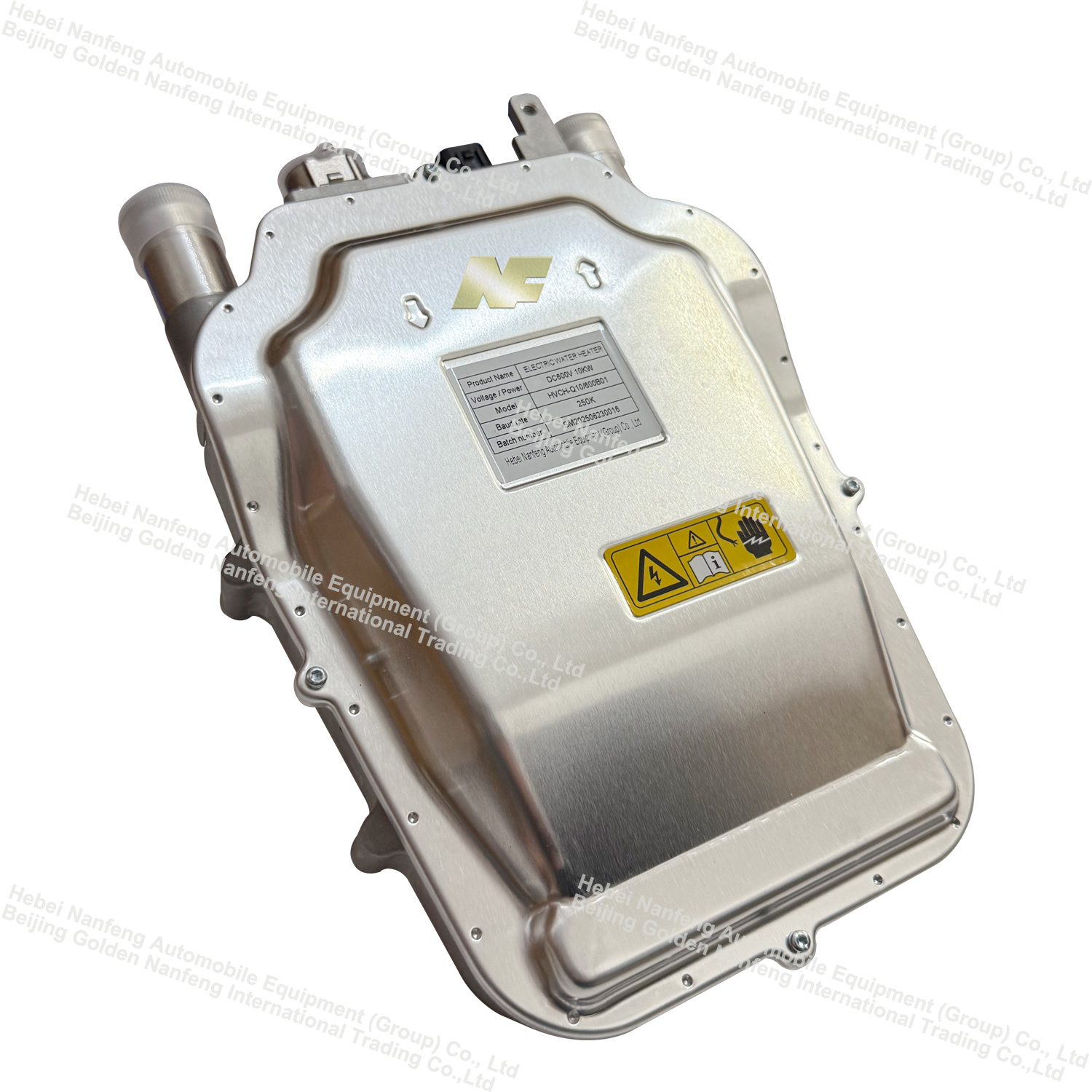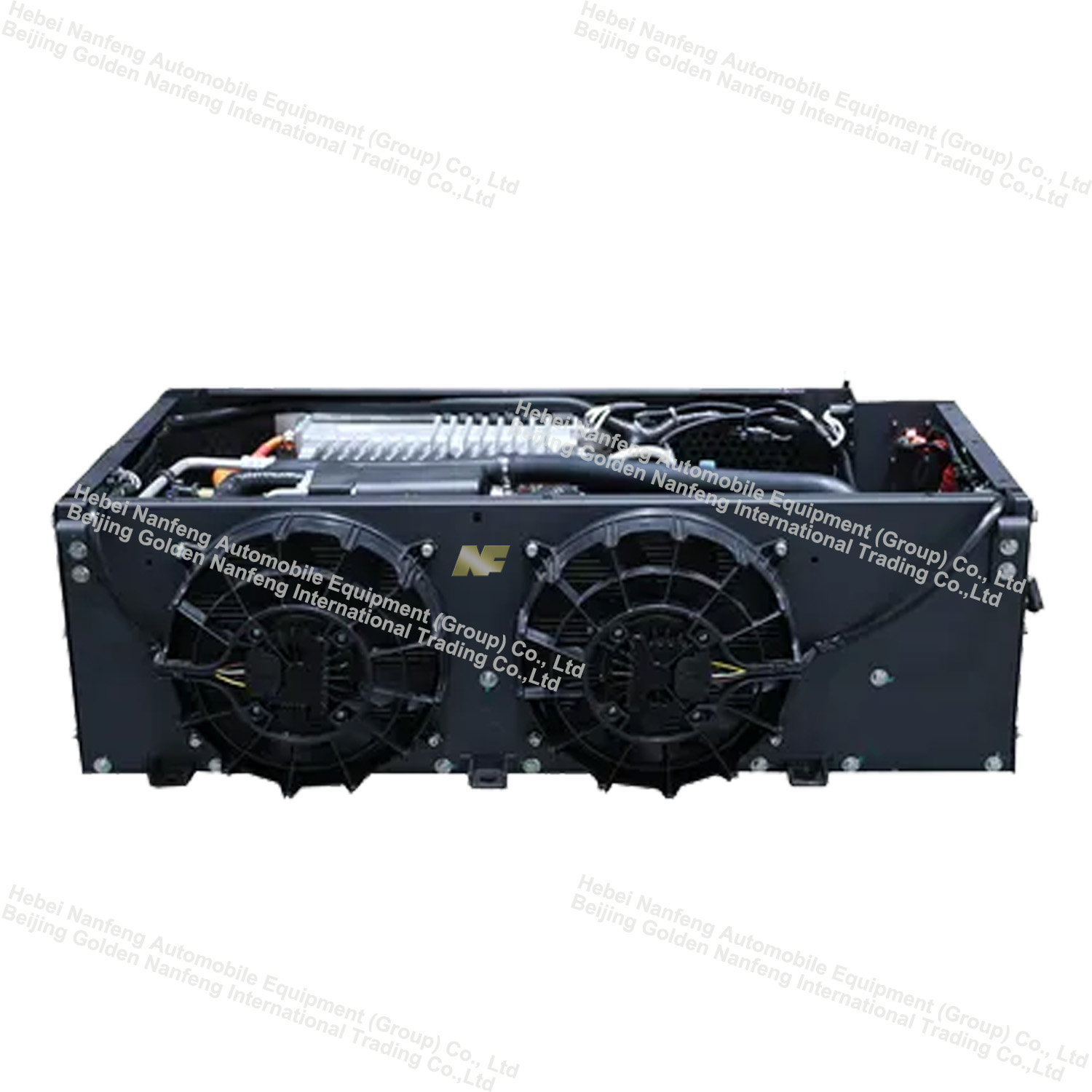
Overview of Power Battery Thermal Management Systems
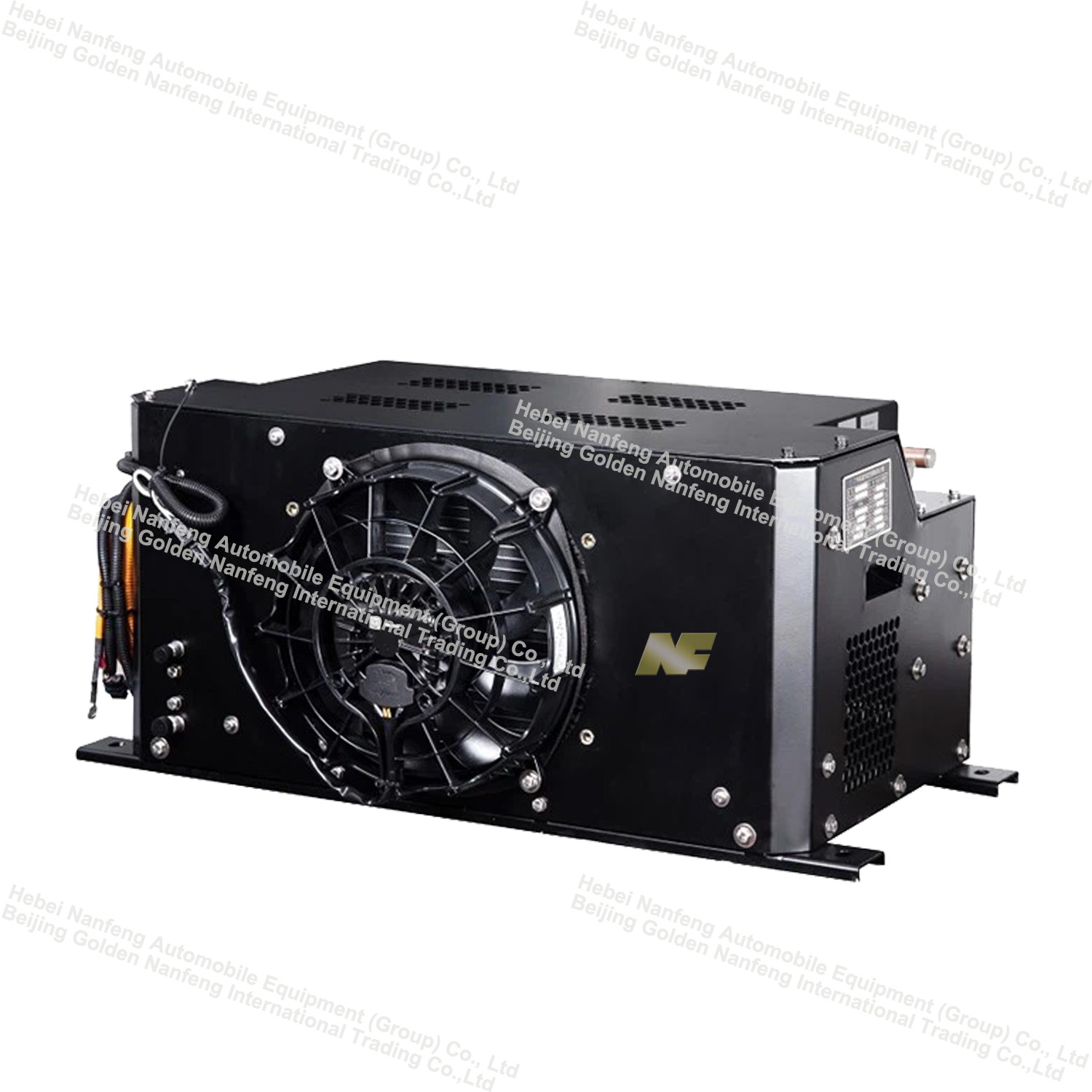
Liquid Cooling Systems
Liquid cooling uses coolant to exchange heat with the battery, providing efficient and rapid heat dissipation. This technology is divided into direct and indirect liquid cooling. In direct liquid cooling, the coolant directly contacts the battery, such as in immersion liquid cooling. Indirect liquid cooling, however, achieves cooling through specific components, such as cooling plates.
Compared to air cooling, liquid cooling plate technology is more efficient, and cooling plates, often made of aluminum or aluminum alloys, are relatively inexpensive. The main research focus is optimizing the structure and fluid flow characteristics of the cooling plates to simplify the manufacturing process and enhance their effectiveness.
The battery thermal management system acts as a "temperature control manager," maintaining the battery's operating temperature range (20-40℃). It consists of four core modules, with core functions of temperature control, temperature equalization, and explosion prevention, ensuring battery range and safety.

Core Components (4 Modules)
1. Heat Exchange Module (Core Execution Component)
Core Components: Cooling plate/cooling channel (primarily liquid cooling, attached to the bottom of the battery pack), radiator (similar to a car radiator), heat pump/air conditioning compressor (for heating in winter).
Function: Acts as a heat "transporter," dissipating excess heat from the battery through liquid circulation or airflow, or introducing heat at low temperatures.
2. Medium Circulation Module (Heat Transfer Carrier)
Core Components: Coolant/refrigerant (mainly ethylene glycol solution, antifreeze and with good thermal conductivity), water pump/fan (drives medium flow), piping and valves (controls medium flow direction).
Function: Establishes a heat transfer "channel," allowing the temperature control function of the heat exchange module to cover the entire battery pack.
3. Monitoring Module (Sensing Core)
Core Components: Temperature sensor (attached to the surface of individual battery cells/modules for precise temperature measurement), BMS (Battery Management System) (the core "brain").
Function: Monitors battery temperature distribution in real time; triggers temperature control commands immediately if the temperature exceeds safe limits (e.g., >50℃ or <0℃).
4. Auxiliary Protection Module (Safety Assurance)
Core Components: Thermal insulation (reduces external temperature interference), explosion-proof valve/pressure relief mechanism (releases pressure in case of high-temperature runaway), insulation layer (reduces heat loss in winter).
Function: Isolates from external environmental influences and copes with extreme operating conditions, avoiding the risk of thermal runaway.
Electric Air Conditioning Compressor For New Energy Car
Why is battery pack thermal management important?
Related Article