Anxious About The Range Of New Energy Vehicles?


In cold winter weather, the range of new energy vehicles (NEVs) often decreases significantly. Data shows that when ambient temperatures fall below 0°C, the average range of NEVs can drop by 30%-40%. For example, a NEV with a nominal range of 500 kilometers might actually only reach around 300 kilometers in low-temperature conditions. This presents a significant challenge for users who travel long distances or have a long daily commute.
Why do low temperatures have such a significant impact on the range of NEVs? This is primarily because low temperatures negatively impact battery performance in various ways. Furthermore, in cold weather, the vehicle's heating system consumes a substantial amount of energy to maintain a comfortable interior temperature, thereby increasing the vehicle's overall energy consumption and reducing its range. Statistics show that in winter, the heating system can account for as much as 20% to 30% of an NEV's total energy consumption.
Based on our analysis of the reasons for NEVs' reduced winter range, maintaining the battery at a suitable operating temperature and eliminating the need for heating can effectively address the NEV's winter range issues.
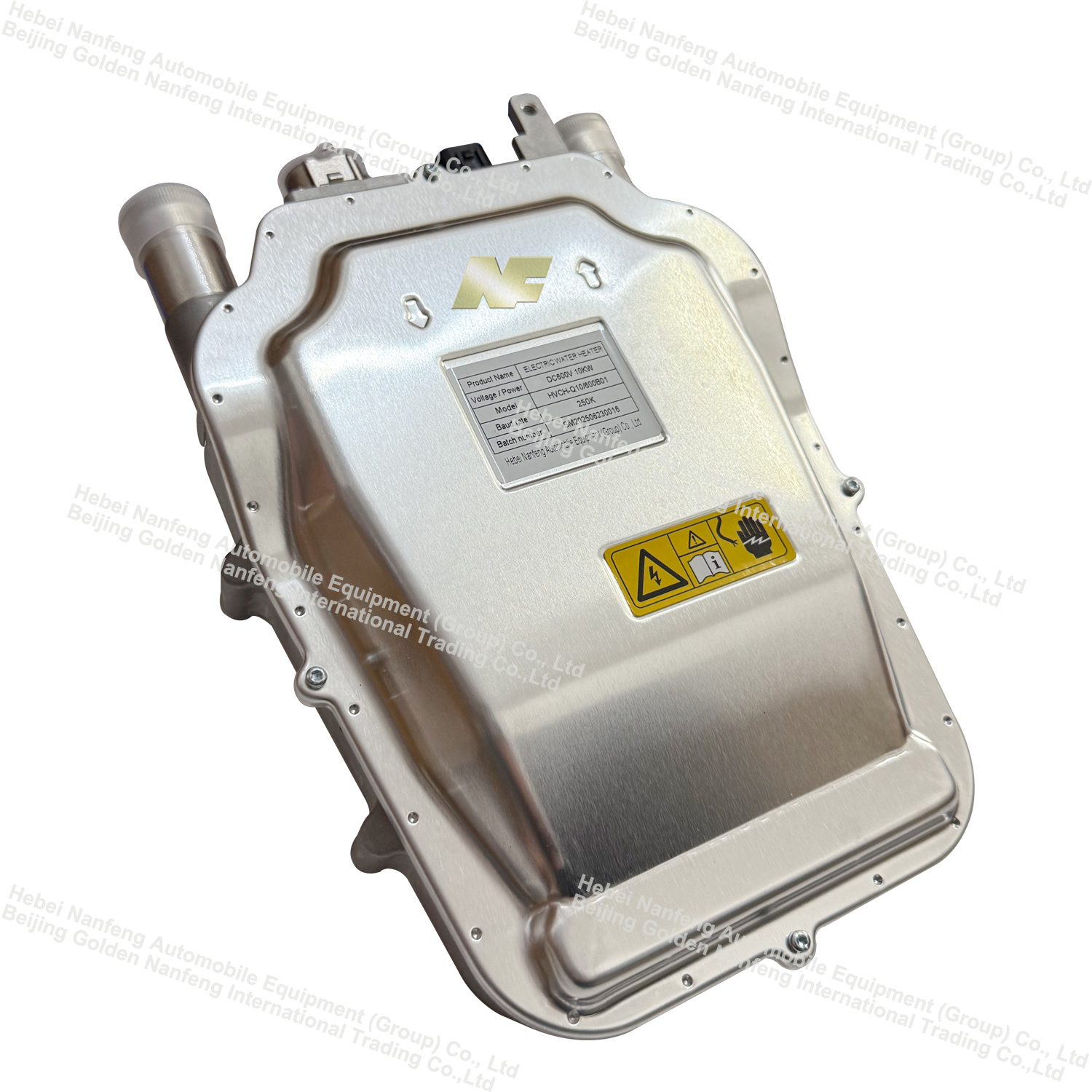
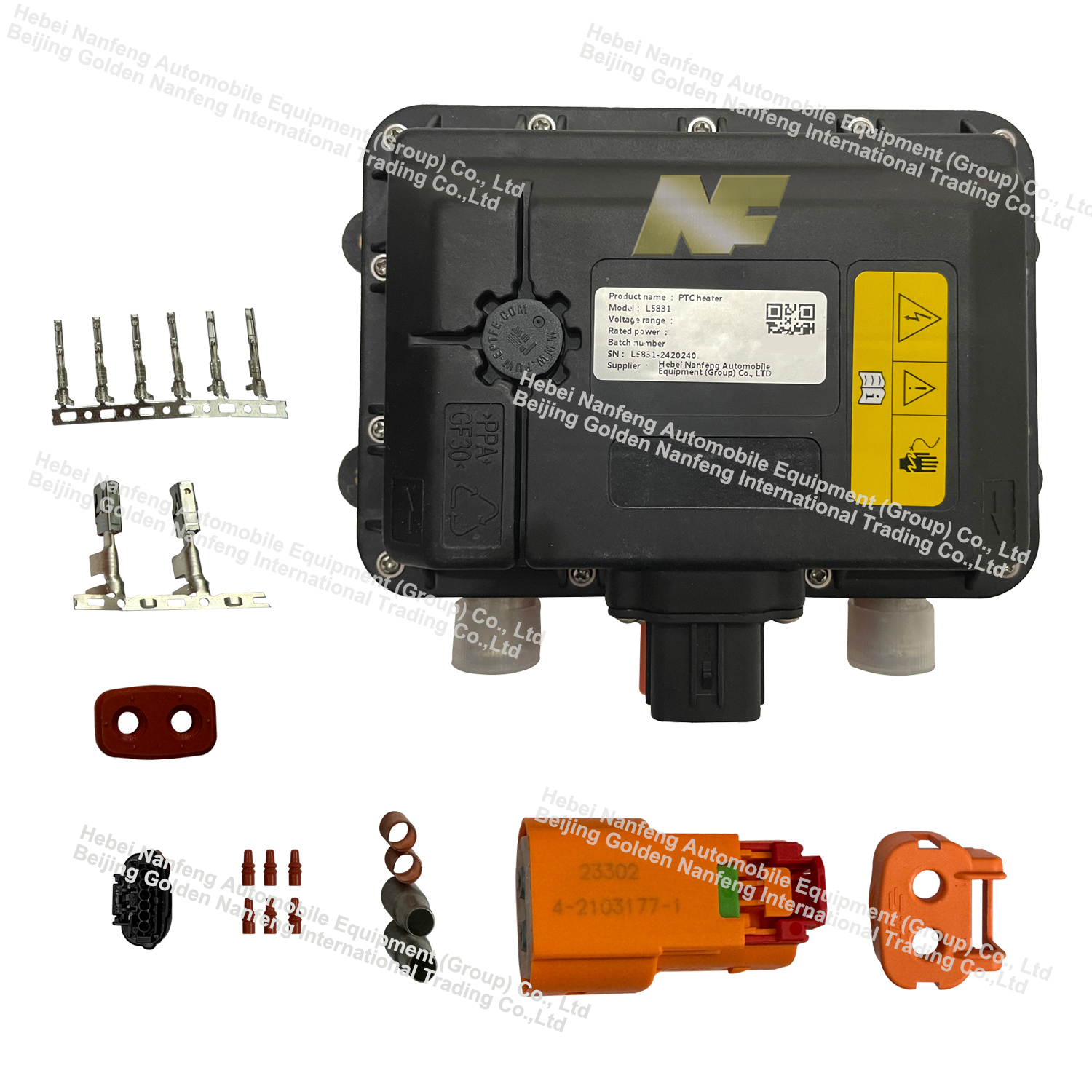
NF has focused on the new energy vehicle industry for many years and has successfully developed and produced a variety of PTC electric heaters, which ensure that power batteries are at a suitable operating temperature regardless of whether they are charging or discharging, thereby improving battery performance and effectively extending battery life.
Working Principle Of Thermal Management System For New Energy Vehicles
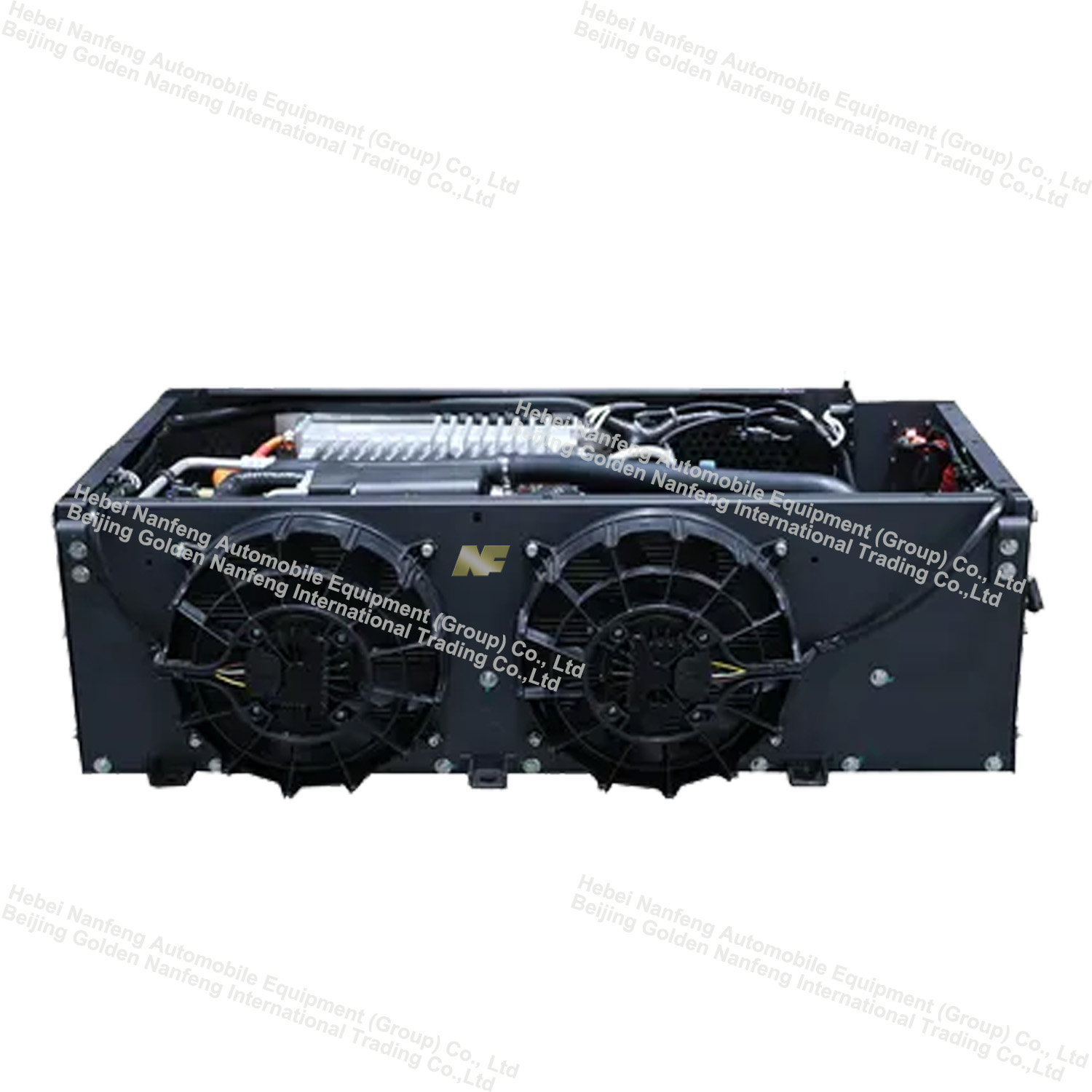
Electric Air Conditioning Compressor For New Energy Car
Related Article